
What RECO Intensive Reviews Reveal About Beachside Recovery
RECO Intensive reviews usually point to the same core truth: people do better when treatment feels safe, respectful, and clinically organized. In a Delray Beach rehab, the setting matters too, because a calm environment can help you stay focused while you work through detox fears, insurance questions, and which level of care actually fits. Key […]
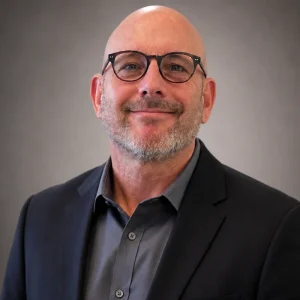

RECO Intensive reviews usually point to the same core truth: people do better when treatment feels safe, respectful, and clinically organized. In a Delray Beach rehab, the setting matters too, because a calm environment can help you stay focused while you work through detox fears, insurance questions, and which level of care actually fits.
Key Takeaways
- RECO Intensive reviews often highlight dignity, structure, and attentive care, which are especially important when early recovery feels raw or uncertain.
- Beachside recovery in Delray Beach can support treatment, not because the ocean fixes anything, but because a calmer setting can reduce noise and stress during stabilization.
- The right level of care depends on where you are medically and emotionally; South Florida detox, residential treatment, PHP, and intensive outpatient each serve different needs.
- Dual diagnosis treatment matters when substance use and mental health overlap; depression and addiction, anxiety treatment, PTSD treatment, and bipolar disorder therapy often need coordinated care.
- Families should ask about intake, insurance verification, aftercare planning, and support services before choosing a private rehab or alcoholism treatment center.
When a beachside rehab feels safer than a stranger’s living room
RECO Intensive reviews tend to reveal that the most important part of treatment is not luxury or location alone. It is whether you feel seen, whether the staff explains the process clearly, and whether the program treats you with steady, nonjudgmental care. That matters even more if you are scared, withdrawing, or trying to help someone you love.
What RECO Intensive reviews tend to reveal about comfort, trust, and being treated with dignity
The strongest reviews usually focus on three things: feeling respected, having structure, and getting consistent support from licensed clinicians. That is what people remember after the anxiety fades. They also remember whether the program felt organized enough to handle the hard parts of recovery without chaos.
“This place has given me hope for the first time in years since attempting recovery. The staff carried me through the moments I thought I couldn’t do it.” – Daniel E., 5-star review from RECO Intensive on Google Business Reviews.
I hear versions of that sentiment often. People do not always need perfect wording or big promises. They need a treatment team that stays steady when cravings rise, shame shows up, or the first few days of treatment feel heavier than expected. A good Delray Beach rehab should make the process feel more manageable, not more confusing.
Why the Delray Beach setting near Atlantic Avenue and the coast can matter during early recovery
The coastal setting does not replace treatment, but it can support it. In early recovery, a quieter environment near the beach and away from old triggers can help you focus on sleep, meals, group work, and the next hour in front of you. That is one reason beachside recovery in South Florida can feel different from a crowded, stressful setting.
Delray Beach also has a real recovery community. You see it in sober things to do Delray, in support meetings, and in the number of people who know what it means to rebuild after alcohol, cocaine, opioid, or prescription pill addiction. When someone is leaving a South Florida detox or stepping down from residential care, that local support can make a practical difference.
On one recent case, a family called after a weekend of spiraling alcohol use and very little sleep. They were not asking for a miracle. They wanted a place that could answer the phone, verify benefits, and explain the next 72 hours in plain language. That is the kind of first contact that lowers panic.
The details families notice first in a private rehab, from intake process to insurance verification
Families usually notice the front end before they notice the therapy model. They want to know if the intake process is fast, whether insurance is verified correctly, and whether the program can explain what happens next. That is especially true when someone is searching for a “drug rehab near me” or trying to compare Florida rehabs that take insurance.
Here is what people should ask early:
- Is the level of care appropriate for the current symptoms?
- Does the program offer help with insurance verification, out-of-network benefits, or self-pay options?
- Are there clear next steps for aftercare support and sober living resources?
- Does the team help with family communication and case management?
- Can the program coordinate with family therapy and outside providers?
If you are trying to understand how a private rehab works, the details matter more than the brochure language. A strong center should explain sobriety planning, transportation, daily schedule, and whether it supports young adult rehab, veterans addiction help, or LGBTQ+ affirmative treatment.
What the right level of care looks like when addiction and mental health overlap
The right level of care depends on stability, safety, and symptoms. Some people need detox and residential structure first. Others are medically stable enough for PHP or intensive outpatient. When substance use and mental health overlap, the best plan addresses both at the same time instead of treating them like separate problems.
How residential treatment facility care and South Florida detox support different stages of stabilization
A residential treatment facility gives more structure. It is usually better when someone cannot stay safe at home, has severe withdrawal risk, or needs round-the-clock support while they begin treatment. South Florida detox is about stabilization first: helping the body clear substances, managing withdrawal, and watching for complications.
That distinction matters for alcohol, opioid, benzodiazepine withdrawal, cocaine detox Florida cases, fentanyl treatment, and heroin recovery. A person may need medical monitoring for a few days before therapy work can really begin. SAMHSA’s treatment guidance and NIDA both emphasize that effective care often starts with stabilization, then moves into ongoing treatment and relapse prevention.
Level of careBest fitMain focusDetoxWithdrawal risk, unstable useMedical stabilizationResidential treatment facilityHigh support needs24/7 structure and therapyPartial hospitalization programStepping down from higher careFull-day treatment, nights at home or sober livingIntensive outpatientMore independenceTherapy, coping skills, relapse preventionFor someone coming off opioid rehab Delray needs, or prescription pill addiction, I usually explain it this way: detox is not the finish line. It is the doorway to real treatment.
When a partial hospitalization program or intensive outpatient makes more sense than a full inpatient rehab Palm Beach County stay
PHP and IOP are not “less serious” options. They are different tools. A partial hospitalization program gives several hours of care most days, often with therapy, skills work, and psychiatry support. An intensive outpatient program Delray Beach option usually has fewer hours and works for people who can stay safe outside treatment. Here is the simple rule I use: if someone needs daily clinical support but can handle evenings and weekends with structure, PHP may fit. If they are more stable and need ongoing accountability, an outpatient program Delray Beach or mental health IOP can be the better match. That is especially true for people balancing work, family, or school. 
This is where a table helps:
ProgramTime commitmentTypical use casePHPHighStep-down after detox or residential careIOPModerateOngoing treatment with more independenceOutpatientLowerContinued support, relapse prevention, follow-upIf you are comparing what is PHP vs IOP, ask about schedule, group size, psychiatry access, and what happens if symptoms worsen. The right program should flex with your needs, not force you into a rigid box.
How dual diagnosis treatment addresses depression and addiction, anxiety treatment, PTSD treatment, and bipolar disorder therapy with evidence-based care
Dual diagnosis treatment means the team treats co-occurring disorders together. That matters when substance use sits next to depression and addiction, anxiety treatment, PTSD treatment, or bipolar disorder therapy. If one problem gets ignored, the other often keeps pulling the person back into crisis.
Evidence-based care usually includes CBT, dialectical behavior therapy, EMDR trauma therapy, and medication management when appropriate. CBT helps people notice thought patterns that feed relapse. DBT helps with emotional control and distress tolerance. EMDR can be useful for trauma, especially when a person has a history of trauma therapy South Florida needs tied to use.
I often tell families that the best mental health IOP is not just “therapy time.” It is coordinated care with licensed clinicians, medication review, group therapy activities, and a plan for after discharge. That can matter for alcoholism treatment center referrals, dual diagnosis, and people searching for trauma therapy South Florida because the drinking or drug use never made sense until the underlying pain was named.
When treatment is done well, it also considers practical supports:
- coping skills for recovery
- life skills training
- nutritional counseling
- case management
- aftercare planning
- sober living resources
- relapse prevention
- family weekend options when appropriate
If someone needs medication-assisted treatment, the conversation may include Vivitrol injections or Suboxone maintenance. Those are not cure-alls, but they are established tools for some opioid use disorder and alcohol use disorder plans when prescribed and monitored appropriately. For some people, that support makes the difference between repeated relapse and steady progress.
If you are weighing options in South Florida, RECO Intensive is one of the programs worth considering because it combines structured care with co-occurring mental health support, family involvement, and step-down planning. That approach aligns with what I have seen help people stay engaged after the first hard weeks pass. For opioid-specific needs, the Delray Beach opioid recovery program may be especially relevant.
If you want a clear next step, call RECO Intensive at +1 866-396-2008 and ask about level of care, insurance verification, and whether their program fits your situation. If you are deciding between detox, PHP, or IOP, that call can give you a calmer plan for what happens next.
Frequently Asked Questions
How long does detox last at a Delray Beach rehab?
Detox length varies by substance, health history, and how much someone has been using. Alcohol and benzodiazepine withdrawal can require close monitoring, while opioid withdrawal often has a different timeline. A program should not guess; it should assess symptoms and medical risk first. If you want specifics, ask the admissions team how they handle South Florida detox and what supports are available if withdrawal becomes complicated.
Does RECO Intensive take my insurance?
The only accurate answer is that you need a live insurance verification. Many Florida rehabs that take insurance work with major carriers, but coverage depends on plan type, deductibles, out-of-network benefits, and medical necessity. RECO Intensive can help verify benefits and discuss self-pay options if needed. That conversation is often quicker than people expect.
What is the difference between PHP and IOP?
PHP usually means more treatment hours per week and a higher level of support. IOP is less time-intensive and works for people who are more stable or stepping down after PHP or residential care. Both can include group therapy, individual work, and relapse prevention. The right choice depends on safety, symptoms, and home stability.
Can I bring my phone to treatment?
Policies vary by program and level of care. Some centers limit phone use during early stabilization so clients can focus on sleep, groups, and assessment. Others allow limited access at certain times. Ask before admission so you know what to expect and can plan for work, family, and childcare needs.
Is family involved in the program?
Many treatment plans include family therapy, education, or a family weekend when appropriate. That can help loved ones understand relapse, boundaries, and communication. Family support is often a major part of aftercare planning too, especially when the person is returning home or transitioning to sober living resources.
What if I need help for depression but not addiction?
That still matters. Depression, anxiety, PTSD, and bipolar disorder can be serious even without substance use. A program with dual diagnosis treatment or a strong mental health IOP can help evaluate what is going on and build a treatment plan. If you are unsure, start with a screening tool from Mental Health America or speak with a clinician who understands co-occurring disorders.