Drug rehab in Delray Beach — from your neighborhood to ours.
A specialist outpatient program for clients in Delray Beach. PHP, IOP, in-house psychiatry, sober-living network, family programming. Same admissions team, 24/7.
Start the conversation Or call directly — (866) 396-2008Local options exist. This is the clinical specialist.
Delray Beach has more drug rehab options per capita than almost any city in Florida, which makes choosing harder, not easier. RECO Intensive has operated from our campus at 140 NE 4th Ave since 2010 — longer than most programs nearby. Our clinical depth is what sets us apart: substance-specific tracks, in-house psychiatry, and a continuum that stretches from detox through long-term aftercare. We are not a general behavioral health practice that treats addiction on the side.
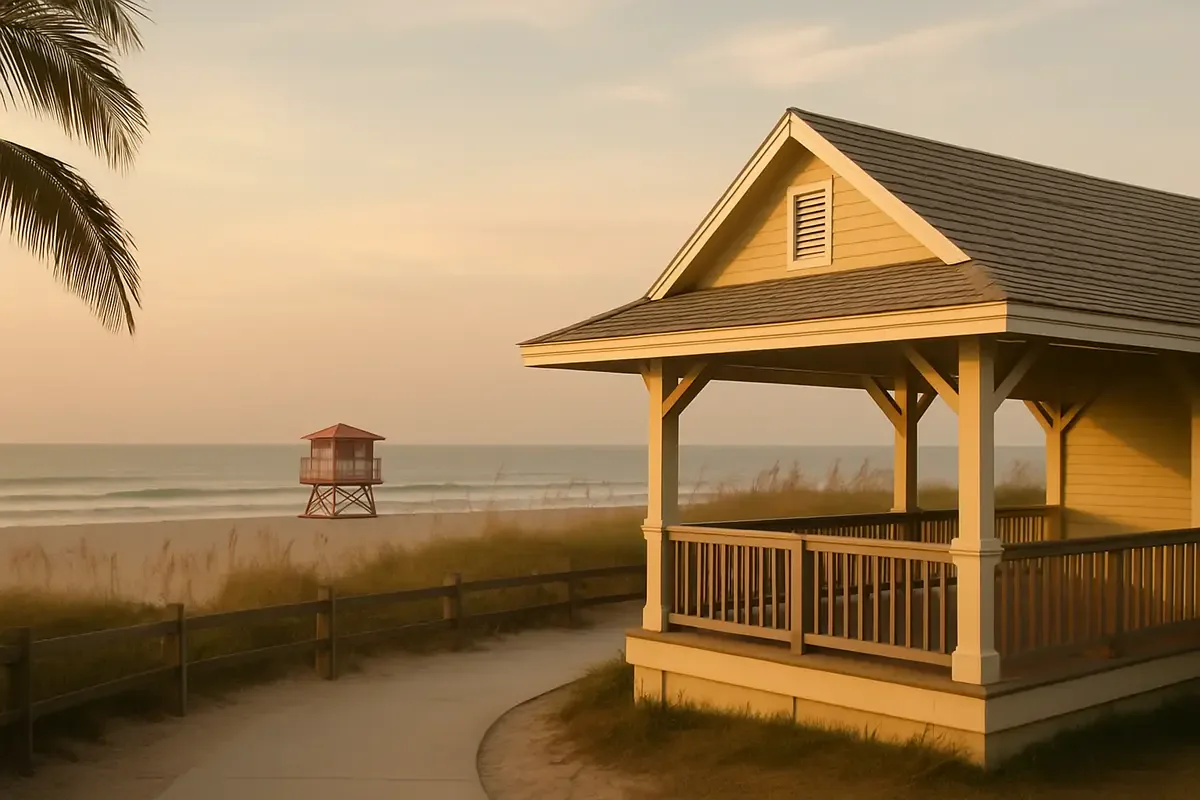
If you live in Delray Beach and you are weighing drug rehab, the geography of the decision is unusually simple: RECO Intensive’s clinical campus is at 140 NE 4th Avenue, one block off Atlantic Avenue and a short walk from the Pineapple Grove murals and the beach pavilion at A1A. You can do PHP or IOP here without leaving the same grid of streets where you already buy groceries, drop kids at Plumosa, or meet a sponsor for coffee on Swinton. For someone in Lake Ida, Tropic Isle, Osceola Park, or the Beach District, that means evidence-based care — MAT with buprenorphine or naltrexone, CBT, DBT, MI, EMDR for co-occurring trauma — happens inside the life you are trying to rebuild, not three time zones away from it. Recovery here is local on purpose, because the relationships, routines, and triggers you have to learn to navigate are also local.
Drug Rehab in Your Own City
For many people in recovery, being treated close to home is exactly what they need — familiar support systems, family who can join sessions, and the ability to begin re-integrating into the life they are building. RECO Intensive sits in the heart of Delray Beach at 140 NE 4th Ave, steps from Pineapple Grove and a short walk from the Atlantic Avenue corridor. You do not have to travel to get serious, evidence-based drug rehab.
Substance-Specific Treatment Tracks
Opioid dependence, cocaine use disorder, methamphetamine addiction, benzodiazepine dependency, and polysubstance presentations each have distinct withdrawal profiles, craving patterns, and relapse triggers. RECO Intensive designs treatment around the specific substance — not a one-size-fits-all curriculum applied identically to every admission.
For opioid and heroin use disorder, that means medication-assisted treatment options including buprenorphine and naltrexone, combined with behavioral therapy. For cocaine and stimulant addiction, there is no approved pharmacotherapy, so the clinical emphasis shifts heavily to contingency management, cognitive-behavioral therapy, and relapse-prevention skill-building. For benzodiazepine dependency, a medically supervised taper — coordinated through our partner detox facilities — comes before any behavioral treatment can be effective.
What the Continuum Looks Like
RECO offers a structured progression of care so that step-down does not feel like abandonment. Most clients move through some combination of the following levels:
- Medical detox — coordinated through vetted partner facilities, with a RECO therapist assigned before discharge
- Residential care — 24-hour structured environment for clients who need clinical stability before stepping down
- Partial hospitalization (PHP) — 30+ clinical hours per week, living at a RECO sober-living residence
- Intensive outpatient (IOP) — 9-15 hours per week as clients rebuild work, family, and daily routines
- Sober living — structured, peer-supported housing in Delray Beach neighborhoods including Lake Ida and Tropic Isle
- Aftercare — alumni programming, continuing care planning, and ongoing peer connection
In-House Psychiatry and Family Involvement
Drug use disorders rarely exist in isolation. Roughly half of RECO clients present with a co-occurring condition — depression, anxiety, PTSD, or bipolar disorder — that needs integrated treatment rather than a referral to a separate provider. Our psychiatrists work on the same clinical team as your primary therapist, sharing the same chart and meeting jointly to calibrate your care plan.
Family therapy begins in the first week of treatment, not as an afterthought at the end. Delray Beach clients often have family members who can attend in-person sessions at our campus. Research consistently shows that family involvement in treatment improves long-term outcomes — and geography makes participation practical here.
Sober Living in Delray Beach Neighborhoods
Treatment is only effective if the environment outside of programming supports recovery. RECO’s sober-living residences are located in Delray Beach neighborhoods — Lake Ida, Tropic Isle, and along the Atlantic Avenue corridor — and are designed as transitional homes, not institutional housing. Peer accountability, house managers, and curfew structure create a stable environment for clients who are not yet ready to return to independent living. For Delray Beach residents, these residences keep you in your community while building the foundation for long-term sobriety.
Why Delray Beach Is a Strong Recovery Environment
Delray Beach has one of the most active recovery communities in Florida — a concentration of 12-step meetings, SMART Recovery groups, and peer support networks that makes it genuinely easier to stay connected after formal treatment ends. Downtown Delray, Pineapple Grove, and the Atlantic Avenue corridor are walkable, social, and sober-friendly in ways that matter for daily recovery. The alumni programming at RECO connects clients to this community and keeps those connections alive long after discharge.
For people who grew up in Delray Beach or have built their lives here, getting treatment locally means recovery does not require abandoning the community and relationships that make sobriety worth sustaining. That grounding in place — the familiar streets, the people who know you, the routine you are trying to rebuild — can itself be a clinical resource when the work is grounded and supported.
Admissions and Insurance
RECO accepts Florida Blue, Aetna, Cigna, UnitedHealthcare, Humana, and BCBS, and our admissions team can verify your benefits — typically within the same business day — before you make any commitment. Start the admissions process online or call (866) 396-2008. For Delray Beach residents, you can also meet with an admissions counselor at our campus at 140 NE 4th Ave.
Serving residents of: Pineapple Grove, Downtown Delray, Lake Ida, Tropic Isle, Atlantic Avenue corridor, Sundy Estates.
If it's any of these, we can help.
From Delray Beach callers, most asked.
Do I need to leave Delray Beach to get good drug rehab?
Does RECO treat all drug types, or only certain substances?
What is the difference between PHP and IOP for drug addiction?
How does medication-assisted treatment (MAT) work at RECO?
Can family members participate in treatment even if they live in Delray Beach?
How quickly can I start drug rehab at RECO Intensive?
Can I keep working or parenting in Delray Beach while I am in drug rehab at RECO?
What does aftercare look like for someone discharging back into Delray Beach?
Other delray beach-area communities we serve.


Confidential. No commitment.
Tell us a little and a real human from admissions will call you back. We verify insurance benefits within minutes and tell you honestly whether RECO is the right fit — including if we should refer you elsewhere.