What Are Fentanyl Trends Near Florida RECO Intensive
Unveiling the Fentanyl Landscape in South Florida Understanding the Rise of Fentanyl in Florida The emergence of fentanyl trends in Florida marks a significant shift in the landscape of substance use and addiction. Fentanyl, a potent synthetic opioid, has surged as a major public health concern due to its alarming potency and its contribution to […]


Unveiling the Fentanyl Landscape in South Florida
Understanding the Rise of Fentanyl in Florida
The emergence of fentanyl trends in Florida marks a significant shift in the landscape of substance use and addiction. Fentanyl, a potent synthetic opioid, has surged as a major public health concern due to its alarming potency and its contribution to overdose fatalities. Often laced into other illicit drugs, fentanyl’s presence in Florida has been driven by illicit manufacturing and distribution, aggravated by gaps in regulation and enforcement. As a result, the state’s response has required a multifaceted approach that combines law enforcement, public health strategies, and community support systems.
The rise of fentanyl use is largely driven by its low production cost and increasing demand among illicit market customers seeking a more potent high. Unfortunately, many users unknowingly consume fentanyl when it is mixed with other substances, leading to fatal overdoses. Florida’s response involves increasing access to education and awareness around the dangers of fentanyl, as part of larger efforts to combat the state’s opioid epidemic.
The Impact of Synthetic Opioids on Local Communities
Synthetic opioids like fentanyl have profoundly impacted local communities in South Florida by exacerbating existing challenges related to addiction and public health. Communities once primarily grappling with traditional opioid misuse are now facing the devastating effects of fentanyl, which often result in quicker and more lethal overdoses. The impact of synthetic opioids on communities is visible in the increased demand for emergency medical services and revitalized community outreach efforts aimed at educating the public and preventing continued opioid misuse.
Emergency medical services in Florida have witnessed a spike in fentanyl-related incidents, highlighting the urgent need for accessible prevention and recovery options. The growth of fentanyl use has forced local healthcare providers and nonprofits to rethink outreach strategies, emphasizing the need for accessible naloxone, an opioid overdose reversal medication. Additionally, societal stigma and misinformation often pose barriers to effective community support, requiring comprehensive education initiatives that bridge these gaps and foster supportive environments for individuals seeking help.
Current Patterns of Fentanyl Use Near Delray Beach
As we examine current patterns of fentanyl use near Delray Beach, it is clear that the issue is closely tied to the broader opioid crisis affecting South Florida. Delray Beach, known for its vibrant recovery community, has become a focal point for understanding how fentanyl misuse is intertwined with addiction patterns in the area. Demographic trends indicate a diverse array of individuals affected by fentanyl, from college students experimenting with drugs to middle-aged adults battling long-term addiction.
Delray Beach’s strategic location makes it a high-interest area for both law enforcement and healthcare providers working to curtail fentanyl-related issues. Consequently, local rehab centers play a pivotal role in providing critical interventions that cater to the nuanced needs of their clients. Collaboration between rehab centers, emergency services, and community organizations is essential in addressing these patterns and building resilient defenses against fentanyl’s pervasive spread.
The Opioid Crisis: A South Florida Perspective
Analyzing the Opioid Epidemic in South Florida
South Florida presents unique challenges and opportunities in tackling the opioid public health crisis. The region’s diverse population and sprawling metropolitan areas make it both a battleground for fighting substance use disorders and a hub for recovery innovations. Historically, the epidemic has been marked by the spread of prescription opioids, which have now been overshadowed by the formidable presence of fentanyl.
The opioid epidemic in South Florida is characterized by high overdose rates and persistent demand for comprehensive treatment services. Multifactorial strategies encompassing prevention, intervention, and long-term support remain critical in tackling this crisis. The state’s efforts – which include stringent prescription regulations, improved access to treatment, and legislative pushes for harm reduction policies – underscore the comprehensive approach necessary to effectively address the opioid epidemic.
Fentanyl’s Role in the Broader Opioid Crisis
Fentanyl has emerged as a central player in the broader opioid crisis, transforming the landscape of substance misuse across South Florida. This synthetic opioid’s potency far exceeds that of its predecessors, making it capable of inducing rapid dependence and fatal overdoses. Its presence exacerbates the inherent challenges of opioid addiction by significantly altering the risk profiles associated with drug use.
Understanding fentanyl’s role in this crisis demands a thorough examination of how it penetrates drug markets and affects user behavior. The covert nature of fentanyl’s inclusion in other street drugs complicates efforts to safeguard both novice and experienced users. Florida’s healthcare authorities continue to advocate for heightened surveillance, expanded public health campaigns, and the promotion of safe usage education to mitigate fentanyl’s impact on the opioid crisis.
Community Responses and Challenges
Communities across South Florida have mobilized in response to the relentless tide of fentanyl-related issues, but they continue to face numerous challenges. Local entities have spearheaded various initiatives aimed at reducing overdose rates and promoting recovery. Community responses to fentanyl use incorporate awareness campaigns, improved access to addiction treatment facilities, and proactive law enforcement-led interventions.
Despite these efforts, communities struggle with systemic challenges such as limited funding for mental health services and recovery programs, stigma surrounding addiction, and a lack of coordination between agencies. Integrating evidence-based practices alongside community-driven initiatives could enhance the impact of local responses to this crisis. By harnessing community resources and fostering collaborative partnerships, South Florida can overcome these challenges and create a supportive environment conducive to recovery.
Innovative Approaches to Fentanyl Addiction Treatment
Fentanyl Detox Programs: New Frontiers
Fentanyl addiction presents distinct challenges that necessitate specialized treatment approaches. Fentanyl detox programs in South Florida are pioneering new frontiers in addiction medicine, combining pharmacological interventions with robust therapeutic support to address the severe withdrawal symptoms of fentanyl dependence. Such programs use medications like buprenorphine and methadone to manage withdrawal, while incorporating counseling and holistic therapies to support long-term recovery.
The complexity of fentanyl addiction requires detox programs to be adaptable, sensitive to individual needs, and informed by the latest research. Innovation lies in tailoring treatment plans that move away from one-size-fits-all models in favor of personalized care that accounts for diverse backgrounds and co-occurring disorders. By embracing this philosophy, Delray Beach rehab centers are setting new standards in the fight against fentanyl addiction.
Personalized Care and Therapeutic Strategies
The importance of personalized care and therapeutic strategies for opioid recovery cannot be overstated in the context of fentanyl addiction treatment. Each individual’s journey through addiction and recovery is unique, underscoring the necessity of customized treatment plans that address specific challenges and strengths. Behavioral therapies such as cognitive-behavioral therapy and motivational interviewing serve as cornerstones of effective treatment by helping clients develop coping skills and resilience.
Holistic approaches that integrate physical, emotional, and spiritual well-being enhance the efficacy of therapeutic strategies. Incorporating art therapy, mindfulness practices, and physical exercise helps clients build a comprehensive foundation for recovery. Such approaches are essential in nurturing self-discovery and fostering a resilient mindset – both crucial for sustained sobriety and a fulfilling life beyond addiction.
Exploring Delray Beach’s Leading Rehab Centers
Delray Beach stands as a beacon of hope, with its proliferation of leading rehab centers dedicated to tackling fentanyl addiction treatment in Delray Beach. These centers provide a diverse array of programs grounded in evidence-based practices and enriched with experiential therapies. Efforts to innovate and personalize care make each facility distinct, yet they all share a common goal: to facilitate meaningful recovery for every individual.
Those who have experienced these programs firsthand speak to their transformative power. Real stories from clients demonstrate the life-changing impact of choosing the right recovery environment:
“I will start off with I had zero plans of staying in Florida. I meet Kathy at Evoke and at the time I was planning my escape back home in Georgia. But there was something about the RECO Intensive program that I was intrigued by and decided to give it a shot. Best decision I made in my life. I tell everyone I know that RECO saved my life. I learned so much about my condition and decided to stay. I relocated and still attend meetings and life has been so much better. I have a great network of people that are on the same journey as me and I would highly recommend anyone to come or if you know anyone one that need help to try RECO first. It will change your life for the absolute better.”- Joey T. ⭐⭐⭐⭐⭐
Collaboration among Delray Beach’s rehab centers fosters a dynamic community that supports collective goals in the battle against addiction. By embracing shared knowledge, resources, and best practices, these facilities demonstrate the recovery potential that Delray Beach has to offer. Such commitment not only bolsters local efforts but also positions Delray Beach as a pivotal player in redefining addiction treatment on a broader scale.
Strategies for Fentanyl Harm Reduction and Prevention
Fentanyl Overdose Prevention Techniques
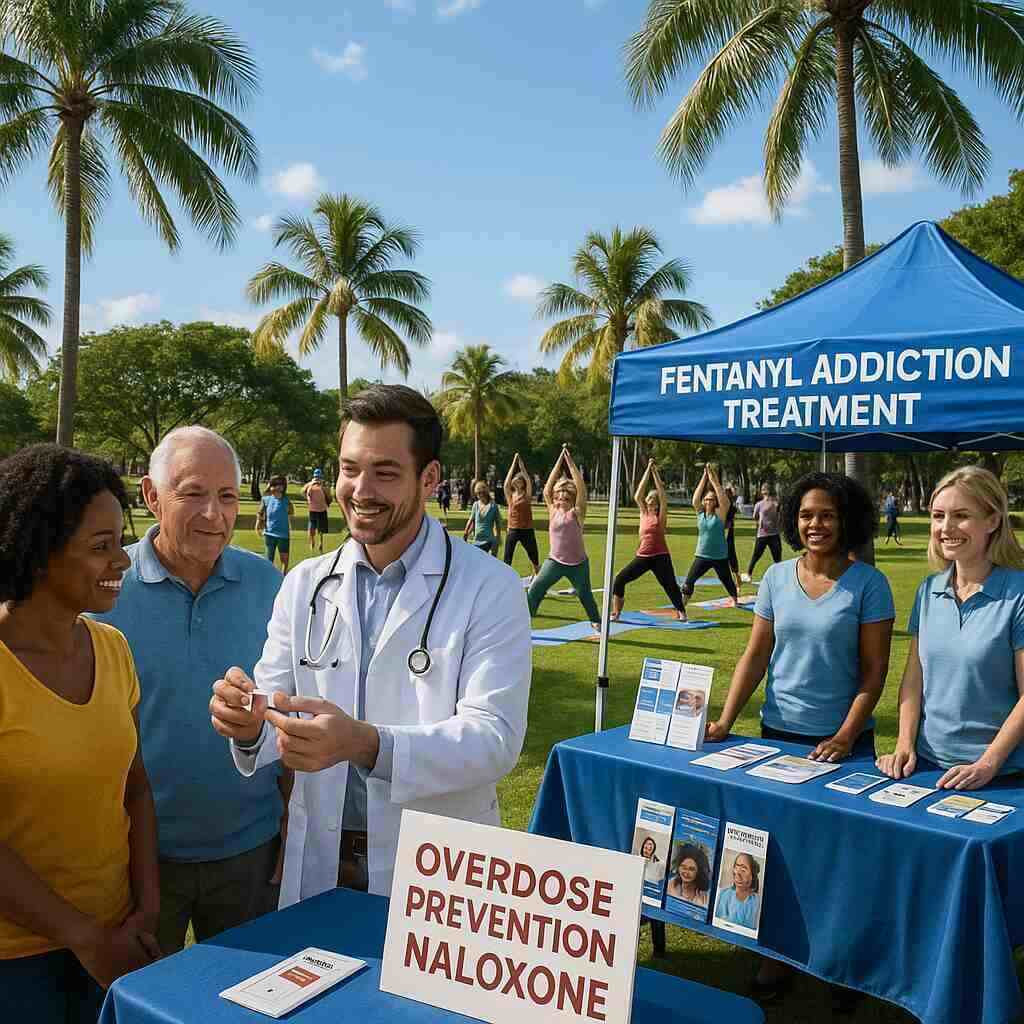
Effective fentanyl overdose prevention techniques are paramount in safeguarding individuals from the dangers associated with synthetic opioids. Across South Florida, harm reduction strategies have been implemented to address the immediate risks posed by fentanyl. By increasing naloxone accessibility and conducting widespread training on its administration, communities aim to avert fatal overdoses and provide life-saving interventions.
Public health campaigns play a crucial role in raising awareness about the risks of fentanyl, stressing the importance of vigilance and education in overdose prevention. Programs that emphasize safe consumption practices and provide access to drug testing kits empower individuals to make informed decisions about their substance use. As these techniques evolve, their success depends on adaptability, cultural relevance, and engagement with at-risk populations.
The Role of Awareness Campaigns in South Florida
Awareness campaigns serve as pivotal platforms for education, prevention, and community engagement in South Florida’s fight against fentanyl. Such campaigns amplify messages about the dangers of fentanyl and disseminate critical information through media channels, schools, and community events. By highlighting real-life stories and bridging gaps in knowledge, these initiatives foster empathy and understanding, reducing the stigma associated with addiction.
Awareness campaigns also create opportunities to engage with diverse community stakeholders, including parents, educators, law enforcement, and healthcare professionals. By opening spaces for dialogue and coordination, these campaigns promote collaborative solutions to the fentanyl epidemic. This spirit of collaboration ensures that the community remains informed and resilient, with the tools necessary to address the complex challenges posed by fentanyl.
Building Robust Addiction Support Networks
Cultivating support networks for addiction in Florida is an indispensable component of developing resilient communities equipped to combat the opioid crisis. These networks extend beyond traditional treatment settings, encompassing peer support groups, community coalitions, and advocacy organizations. Their primary purpose is to provide empathetic, informed support to individuals and families navigating the difficult journey of addiction and recovery.
Support networks serve as lifelines by offering resources, encouragement, and practical assistance to those in need. They foster community accountability and motivation for individuals in recovery. By strengthening these networks, Florida ensures that individuals have diverse options for recovery paths tailored to their personal experiences and needs. Such networks reflect the collective resolve of communities to rise above addiction in pursuit of a healthier, more vibrant future.
Paving the Way for Recovery: A Future Outlook
Fentanyl Recovery Strategies and Innovations
Advancing fentanyl recovery strategies and innovations requires a commitment to adopting forward-thinking approaches that ensure sustainable recovery for individuals grappling with fentanyl addiction. Innovations in medical, therapeutic, and community interventions are integral in reducing relapse rates and promoting holistic well-being. These strategies focus on integrating technological advancements – such as telehealth services – with traditional in-person support to increase accessibility to recovery resources.
Collaboration between researchers, healthcare providers, and community organizations is vital in developing and refining these innovations. By emphasizing comprehensive, personalized care, Florida’s recovery initiatives aim to address the complexities of addiction while empowering individuals to reclaim their lives. Such forward-thinking strategies reflect an unwavering dedication to overcoming addiction’s challenges and ushering in a brighter future for those affected by opioid misuse.
The Future of Opioid Addiction Counseling
Evolving approaches to opioid addiction counseling must be grounded in empathy, adaptability, and evidence. Counseling, a cornerstone of recovery, is undergoing transformation as new modalities emerge to cater to diverse client needs. Enhanced training for counselors, coupled with the integration of digital tools, enriches the therapeutic process by delivering more personalized and efficient services.
Foremost in this evolution is the shift toward trauma-informed care, which acknowledges the deep-rooted experiences that contribute to addictive behaviors. Counselors are increasingly equipped with the expertise to address co-occurring mental health disorders and support clients in navigating their recovery journey comprehensively. By prioritizing innovation and continuous learning, the future of opioid addiction counseling holds genuine promise for creating lasting impacts on individuals and communities alike.
Envisioning a Healthier South Florida
Through the collective pursuit of recovery-focused initiatives, South Florida is working toward a healthier future for its residents affected by fentanyl addiction. Efforts to increase collaboration between public and private sectors, expand access to mental health services, and advocate for equitable treatment options reflect a commitment to building a thriving community.
Central to this vision is the empowerment of individuals through education and access to resources, fostering resilience and recovery across all demographics. By embracing a holistic outlook that values physical, mental, and social well-being, South Florida is well-positioned to address the complexities of addiction and emerge stronger in its resolve. As the community coalesces around shared goals, it builds a future where hope and healing prevail.
Frequently Asked Questions
Question: What strategies does RECO Intensive implement in addressing fentanyl addiction in South Florida?
Answer: RECO Intensive, located in Delray Beach, Florida, leverages a comprehensive approach to tackling fentanyl addiction. Our treatment centers offer personalized detox programs that include the use of medications such as buprenorphine and methadone to alleviate severe withdrawal symptoms associated with fentanyl. Additionally, our recovery programs incorporate cognitive-behavioral therapy and holistic treatments to ensure long-term sobriety for our clients. By integrating physical, emotional, and spiritual therapy, we address the specific needs of each individual, helping them reclaim their lives from addiction.
Question: How does RECO Intensive contribute to fentanyl overdose prevention and harm reduction in Florida?
Answer: At RECO Intensive, we are committed to fentanyl overdose prevention through the implementation of harm reduction strategies. We emphasize the importance of naloxone accessibility and provide training on its usage to avert potentially fatal overdoses. Our public health campaigns raise awareness about the dangers of fentanyl and inform individuals on safe consumption practices. Additionally, our partnership with local healthcare providers ensures that our clients receive comprehensive support to combat the opioid crisis in South Florida.
Question: Can you elaborate on how the RECO Intensive rehab center addresses the current fentanyl trends near Delray Beach?
Answer: Within the context of fentanyl trends near Delray Beach, RECO Intensive plays a pivotal role in understanding and mitigating the effects of substance misuse on the community. Our location in a vibrant recovery hub like Delray Beach allows us to collaborate extensively with law enforcement and healthcare providers, enhancing the effectiveness of our interventions. By offering state-of-the-art therapeutic strategies and promoting community outreach programs, we combat the spread of fentanyl and provide essential support systems for individuals battling addiction.
Question: What role does RECO Intensive play in supporting South Florida’s recovery programs concerning the opioid epidemic?
Answer: As a leader in the field of addiction treatment, RECO Intensive contributes significantly to South Florida’s recovery programs addressing the opioid epidemic. Our facility provides innovative fentanyl treatment innovations that are tailored to each client’s journey. We focus on advancing medical, therapeutic, and community interventions to reduce relapse rates and promote well-being. By aligning with local support networks, we ensure our clients have access to a comprehensive range of resources, reinforcing our commitment to a healthier, addiction-free South Florida.
Question: What unique approaches does RECO Intensive employ in its fentanyl addiction resources to reflect the evolving landscape of substance abuse in Florida?
Answer: Recognizing the evolving landscape of substance abuse in Florida, RECO Intensive employs unique, cutting-edge approaches in our fentanyl addiction resources. Our focus on personalized care means that we tailor our treatment plans to suit the diverse needs of our clients, incorporating therapies that address co-occurring disorders and past trauma. We stay current with the latest research and integrate digital tools like telehealth to enhance accessibility. This adaptability ensures that we remain at the forefront of addiction therapy in Florida, offering progressive solutions to our community.