
Top Five Signs Florida Veterans Need Rehab at RECO Intensive
When Service Becomes Silence: Breaking the Camouflage of Addiction in Florida Veterans Why Florida Veterans Are Uniquely Vulnerable to Substance Use Florida has the second-largest veteran population in the United States, and the climate draws thousands who crave warm salt air after cold deployments. Yet sunshine cannot erase combat memories. Many local veterans carry hidden […]


When Service Becomes Silence: Breaking the Camouflage of Addiction in Florida Veterans
Why Florida Veterans Are Uniquely Vulnerable to Substance Use
Florida has the second-largest veteran population in the United States, and the climate draws thousands who crave warm salt air after cold deployments. Yet sunshine cannot erase combat memories. Many local veterans carry hidden battle stressors that amplify cravings for quick relief through alcohol or pills. Re-entry pressure, hurricane season anxiety, and competitive housing costs combine to make substance misuse feel like portable armor when civilian life disappoints. Acknowledging these layered stress points helps families recognize that misuse is not weakness but a predictable response to stacked triggers.
Combat often exposed service members to easy opioid access for injuries and stimulants for endless patrols. Those patterns follow them home, but civilian doctors seldom monitor them as closely as military clinicians did. Without integrated mental health safeguards, prescriptions can escalate into dependency. Understanding this pipeline of exposure is the first step toward offering compassionate Florida veteran rehab rather than judgmental lectures about “discipline.”
How a Rehab Center in Delray Beach Provides an Essential Lifeline
A specialized rehab center in Delray Beach understands both military culture and the unique stressors of South Florida life. Staff members bridge tactical language and clinical progress, allowing veterans to lower their guard without sacrificing their dignity. The setting combines palm-lined serenity with evidence-based neuroscience, giving warriors personalized addiction treatment alongside an environment that quietly supports recovery. Partner hospitals nearby ensure rapid medical backup, while community employers actively support sober job placements, reinforcing momentum before doubt can return.
Because RECO Intensive is a Delray Beach rehab center built with veterans in mind, its clinicians weave trauma-informed therapy with peer accountability structures reminiscent of morning formation. That design rebuilds unit cohesion in healthy directions, proving that purpose does not end when uniforms are folded. From detox centers to sober excursions on intracoastal waters, each step reframes recovery as a renewed mission, not a demotion.
The First Step: From Denial to Decisive Action
Denial often masquerades as gallows humor or stoic silence. Veterans trained to “embrace the suck” may dismiss blackout episodes as harmless war stories. Family members can disrupt that pattern by calmly presenting recent incidents and expressing fear, not blame. Offering a concrete plan instead of vague pleas – such as contacting the veteran rehab support line at RECO Intensive – reduces shame and replaces it with options. Clear next steps defeat avoidance faster than emotional ultimatums.
Decisive action also means verifying insurance, arranging pet care, and coordinating travel before resistance resurfaces. Loved ones who handle these logistics show respect for the veteran’s leadership style: present the mission, secure the route, and execute. The moment denial cracks open, speed matters. Every hour without substances strengthens motivation, while each delay invites withdrawal panic to undermine courage.
Battle Scars Beneath the Surface: Five Warning Signs That Demand Immediate Attention
1. Escalating Alcohol Blackout Episodes After Deployment
A single blackout can seem like typical barracks bravado, but repeated memory gaps signal neurological distress. When tolerance climbs and stories feature missing car keys, lost time, or waking in unfamiliar locations, the brain’s alarm bells are sounding. Such episodes often conceal deeper combat PTSD and alcohol abuse patterns, where drinking numbs intrusive thoughts until consciousness shuts off entirely. Ignoring these episodes risks accidents, DUIs, or violent outbursts that can shatter careers and relationships overnight.
Track frequency, not excuses. If a veteran once limited drinking to unit reunions yet now drains bottles alone, the danger is multiplying. A Delray Beach rehab center offers medically supervised detox to manage seizures and hallucinations that may emerge when heavy drinking abruptly stops. Swift intervention protects both cognitive function and long-term wellbeing.
2. Hidden Prescription Painkiller Dependency Rooted in Combat Injuries
Shrapnel wounds, spinal compression, and repetitive-stress fractures often leave veterans with chronic pain. Doctors initially prescribe opioids for legitimate reasons, but the body adapts. When prescriptions run out, street pills or forged refills may appear. If a veteran guards pill bottles obsessively, counts remaining doses, or withdraws from physical therapy to avoid scrutiny, dependency has likely taken hold. Recognizing this shift allows families to seek safe tapering plans before illicit fentanyl or other dangerous substances enter the picture.
Florida treatment centers like RECO Intensive offer personalized care and medication management that respects legitimate pain while addressing chemical dependency. Adaptive sports, aquatic therapy, and non-addictive pharmacology restore movement without clouding focus. Early admission prevents career-ending legal consequences or civilian arrests for prescription fraud.
3. The Dual Storm of PTSD and Cocaine or Meth Relapse
Some veterans self-medicate hypervigilance with stimulants. Cocaine or meth temporarily sharpens alertness, mimicking combat readiness. When the adrenaline crashes, however, night terrors return even louder. Hallucinations blur with combat flashbacks, creating a dual-diagnosis complexity that standard programs struggle to address. If a loved one alternates between frenetic activity and complete exhaustion, stimulant relapse may be fueling an invisible crisis.
Evidence-based dual diagnosis therapy integrates exposure work, psychiatry, and neurofeedback to calm the limbic system without illegal shortcuts. Specialized Florida treatment programs understand military triggers – such as overhead helicopters or fireworks – and design coping strategies accordingly, preventing re-traumatization inside therapy rooms.
4. Isolation from Unit and Family, Signaling Heightened Suicide Risk
Military culture values teamwork, so sudden withdrawal is an ominous sign. When veterans skip group chats, avoid family gatherings, and retreat to dim rooms, the danger goes beyond loneliness. Isolation magnifies intrusive memories and shame, raising suicide risk – especially when substances lower inhibition. Watch for surrendered pets, given-away valuables, or cryptic social media posts that suggest final plans are forming.
A recovery center in Delray Beach counters isolation with peer-driven camaraderie. Morning mindfulness sessions, evening volleyball, and veteran mentorship reactivate that essential sense of belonging. Rapid placement into structured sober living prevents the lethal combination of despair and access to firearms.
5. Legal or Career Fallout Revealing Loss of Mission Focus
DUIs, missed duty, or security-clearance suspensions indicate addiction’s direct assault on a veteran’s identity. These warriors value rank and reliability. When court dates replace promotion boards, morale collapses. Delays in addressing substance use invite amplified penalties that trail for years, blocking VA loans, professional licenses, and other hard-earned rights.
Early Florida veteran rehab can intercept this spiral. Court-approved treatment documentation often mitigates sentences, demonstrating proactive accountability to commanders and judges alike. Completing structured recovery programs signals to future employers that setbacks were confronted head-on rather than hidden away.
From Barracks to RECO: How Our Delray Beach Recovery Programs Rebuild Resilience
Trauma-Informed Detox Centers Near South Florida Bases
Detox is the most volatile phase of recovery. Combat triggers can spark panic within minutes of entering an unfamiliar medical environment. RECO Intensive uses trauma-informed protocols: soft lighting, veteran staff on every shift, and optional service-animal visits. These details lower stress responses, allowing clinicians to safely manage withdrawal from alcohol, opioids, or stimulants without triggering flashback episodes.
Because bases like Homestead Air Reserve Base and Naval Station Mayport sit within driving distance, families can transport loved ones quickly to detox centers that understand classified missions cannot be shared openly. Confidential intake protects security clearances while meeting all federal medical privacy laws.
Evidence-Based Dual Diagnosis Therapy for Soldiers
War’s invisible wounds rarely travel alone. Depression often accompanies anxiety, and traumatic brain injury frequently complicates sobriety. RECO’s clinicians use cognitive processing therapy, EMDR, and pharmacogenetic testing to match medication to each individual’s unique brain chemistry. Soldiers learn to separate legitimate threat responses from emotional residue, improving sleep and decision-making over time.
Integrated care reduces relapse risk by treating mental health and substance use as intertwined, not sequential problems. When panic spikes, veterans no longer reach for a drink. Instead, they deploy breathing drills, grounding techniques, and crisis call lists rehearsed under professional supervision, reinforcing new neural pathways.
Structured Sober Living and Veteran Peer Support Groups
Once acute treatment stabilizes, structure remains critical. The structured sober living at RECO Institute in Delray Beach provides curfews, community service requirements, and mandatory peer meetings that mirror orderly barracks life. House managers – many of whom served in the military – model accountability without micromanagement. Residents practice teamwork through weekend activities, transforming recovery into daily leadership development.
Peer-driven group counseling near Palm Beach fosters vulnerability in spaces where military acronyms, ranks, and shared humor need no explanation. Storytelling reduces shame and replaces isolation with tactical empathy. That shared identity accelerates progress more than generic support circles typically can.
Family Therapy That Rebuilds the Home Front
Combat separates households emotionally even after redeployment ends. RECO’s therapists guide spouses and parents through education on triggers, boundary-setting, and secondary trauma. Using systemic models, sessions reestablish communication channels blocked by secrecy and substance use. Loved ones learn to express concern in mission-focused language that resonates with veterans.
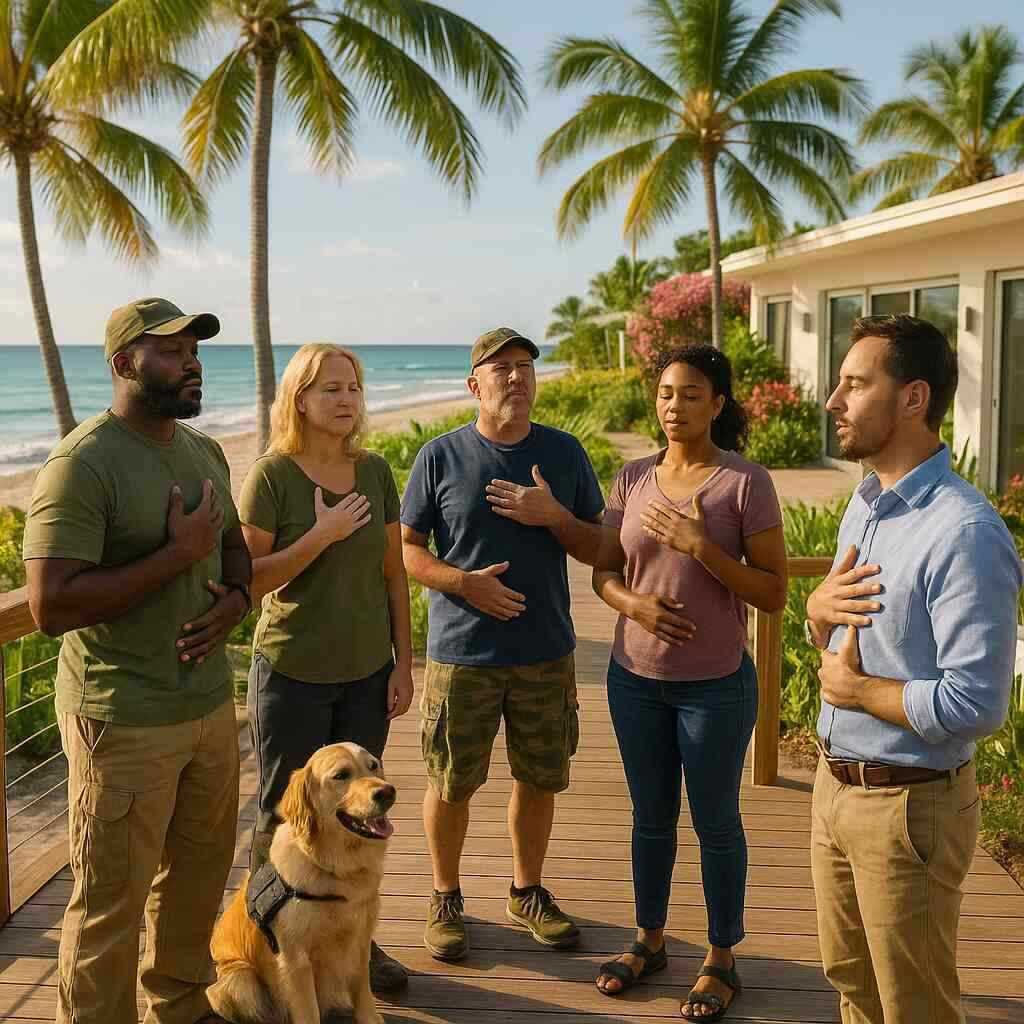
When misunderstandings clear, collective healing begins. Virtual sessions ensure out-of-state relatives can participate, preventing geographic distance from becoming emotional distance. Those breakthroughs, supported by family therapy at RECO Intensive, fortify relapse prevention by turning every living room into a source of support.
Intensive Outpatient Program in Delray Beach for Sustainable Transition
Not every veteran can pause civilian obligations for inpatient care. The intensive outpatient program in Delray Beach offers evening groups, individual counseling, and random drug screenings that integrate recovery into everyday schedules. Clients apply coping tools in real-time work situations and return to the next session to debrief victories or setbacks.
Flexible therapy hours allow for gradual autonomy. When jobs demand travel, clinicians coordinate telehealth check-ins, ensuring accountability never lapses. This bridge between residential care and full independence stretches relapse timelines, buying critical months for neural rewiring.
Mission-Ready Modalities: Integrating Holistic and Clinical Approaches
Therapeutic Excursions and Group Therapy That Restore Civilian Confidence
RECO Immersive organizes paddleboard outings, equine encounters, and art walks. These experiences retrain veterans to navigate crowds, tides, and unexpected noises without reaching for substances. Shared accomplishment on the water bonds groups faster than indoor lectures. Reflection circles afterward translate sensory experiences into cognitive insights about trust and self-efficacy.
On campus, dialectical behavior therapy groups challenge the black-and-white thinking common in military doctrine. Role-play scenarios test assertive communication skills, preparing veterans for job interviews and holiday gatherings where triggers can surface. Progress becomes visible and measurable, not merely theoretical.
Personalized Care and Medication Management for Safe Opioid Tapering
Physicians create step-down schedules with non-addictive adjuncts such as buprenorphine, NSAIDs, and nerve stabilizers. Regular pain assessments ensure comfort while preventing euphoric spikes. Veterans track progress on digital dashboards that display decreasing dosages like mission metrics, reinforcing motivation.
Collaboration with physical therapists introduces movement that supports joint health and releases endorphins, gradually reducing pharmacological load. This integrated approach honors real injuries without creating conditions for renewed addiction.
Mindfulness and Art Sessions to Calm Combat Hypervigilance
Meditation may sound unfamiliar to infantry veterans, but guided grounding exercises use tactical breathing techniques many learned in basic training. Sitting still becomes another drill – one that sharpens rather than softens readiness. Over weeks, heart-rate variability data demonstrates calmer baselines, offering objective evidence that skeptical veterans can respect.
Art therapy uses charcoal, clay, and collage to bypass verbal bottlenecks. Veterans externalize nightmares onto canvas, gaining distance and a sense of mastery. Creative output often surprises them, revealing resilience they assumed was lost in the field.
Technology-Driven Relapse Prevention Planning
Smartphone apps track triggers, mood, and cravings. Geo-fence alerts warn when a client nears old problem locations, while encrypted journals feed into weekly therapist reviews. Data visualization turns abstract danger into clear, actionable information anyone with map-reading skills can understand.
Wearable devices monitor sleep and heart patterns. Clinicians adjust intervention plans when physiology signals stress spikes, preventing slips before they become full relapses. Digital oversight complements – rather than replaces – human connection, expanding safety nets beyond campus.
Collaboration with VA and Alternative Addiction Care Resources
RECO Intensive coordinates with VA liaisons to streamline benefits paperwork and transfer medical records. Shared electronic health systems avoid redundancy, while case managers prepare discharge summaries the VA recognizes immediately. Veterans maintain continuity of psychiatric medications and service-connected disability reviews.
For those who prefer non-VA options, staff compile a network of community providers skilled in military trauma, expanding each veteran’s choices. This multifaceted support system ensures no warrior stands alone after program completion.
Returning Home to Purpose: Your Path to Confidential Veteran Rehab
Verify Your Insurance and Secure a Spot at RECO Intensive
Finances should never delay lifesaving treatment. Loved ones can quickly verify insurance for confidential veteran rehab using a secure online portal. Dedicated admissions advocates interpret coverage details and outline remaining costs before travel is arranged. That transparency eases the skepticism veterans have earned and builds trust from the first conversation.
Once coverage is confirmed, coordinators reserve a bed, arrange airport pickup, and share packing lists that respect military routine. Clear directives minimize pre-arrival anxiety, turning an abstract idea into an actionable plan ready for launch.
What to Expect During the First 72 Hours of Admission
Upon arrival, veterans undergo medical and psychological assessments along with toxicology screens. Clinicians create personalized recovery plans that begin even before detox symptoms peak. Hydration, nutritious meals, and quiet rest quarters stabilize physiology while introductions to peers build morale.
Orientation covers campus rules, daily schedules, and emergency protocols, echoing briefing formats familiar from years of service. That recognizable rhythm reassures newcomers they are still in a professional environment where standards matter.
Maintaining Post-Discharge Momentum Through Alumni Networks and Community Outreach
Graduation is not the finish line – it is redeployment into life with new skills and stronger support. Alumni gatherings, online forums, and monthly adventure outings sustain accountability. Mentors who completed the program share real-time strategies for holiday temptations, parenting stress, and job negotiations, demonstrating that sustained sobriety is attainable.
Volunteer partnerships with local beach clean-ups and veteran charities convert gratitude into purpose. Service restores identity and highlights how recovery positions warriors to lead once more – this time on the home front.
Frequently Asked Questions
Question: How do the Top Five Signs Florida Veterans Need Rehab at RECO Intensive translate into the concrete criteria your admissions team uses to accept a service member into Florida veteran rehab?
Answer: Our clinicians transform those warning signs – escalating alcohol blackouts, hidden prescription drug misuse, stimulant relapse, isolation, and legal fallout – into measurable intake questions. During your confidential phone screening, we assess the frequency, duration, and severity of each sign. If any of the five are present, we can pre-approve admission within minutes, verify insurance, and schedule transport to our Delray Beach rehab center for veterans. Having clear, combat-informed criteria lets warriors know they are not overreacting – they are responding to objective evidence that specialized treatment is needed now.
Question: What does RECO Intensive offer that a standard rehab center might not, especially for combat PTSD, alcohol abuse, and dual diagnosis treatment for soldiers?
Answer: Unlike standard Florida rehab programs, RECO Intensive combines trauma-informed detox near South Florida bases with evidence-based therapies such as EMDR, cognitive processing therapy, and neurofeedback. Every group is veteran-friendly, led by staff who understand military trauma and substance use. We add holistic therapy for service members – paddleboarding, equine work, and mindfulness practices – to calm hypervigilance while building resilience. This dual clinical and experiential approach addresses both the substance use and the underlying PTSD, reducing relapse risk far more effectively than one-size-fits-all facilities.
Question: Can RECO Intensive coordinate VA alternative care and private insurance so Gulf War veterans with opioid addiction don’t lose benefits or time?
Answer: Yes. A dedicated case manager gathers your DD-214, service-connected disability ratings, and any existing VA treatment records. We verify your private or employer coverage for detox and residential or intensive outpatient services in Delray Beach, then collaborate with VA liaisons so medications, lab work, and discharge plans integrate seamlessly. That means no duplicate co-pays, no lapses in prescriptions, and smooth transitions to VA follow-up or community providers once our recovery programs conclude. You keep every benefit you earned while gaining immediate access to a South Florida recovery center that can begin opioid tapering today.
Question: What does structured sober living and peer support look like after completing primary treatment at your rehab center in Delray Beach?
Answer: Graduates transition to RECO Institute’s veteran-oriented homes, which feature curfews, random drug screening, and leadership roles that echo unit duty. Morning mindfulness, evening volleyball, and weekly veteran peer support groups maintain camaraderie. House managers – many of them former service members in long-term recovery – coach residents on job searches, VA appointments, and relapse prevention strategies. This environment bridges clinical care and full civilian independence, providing structure without sacrificing autonomy.
Question: How does family therapy at RECO Intensive reduce veteran suicide risk and the likelihood of addiction relapse once a loved one returns home?
Answer: Our family therapy teaches spouses and parents to recognize mental health crisis signals, set healthy boundaries, and communicate using language veterans respect. Sessions – virtual or in-person – explain triggers like fireworks or crowd noise and outline concrete support strategies. When relatives know how to respond calmly, isolation decreases, emotional safety increases, and suicidal ideation risk drops. A united family system becomes another layer of protection against future substance cravings.