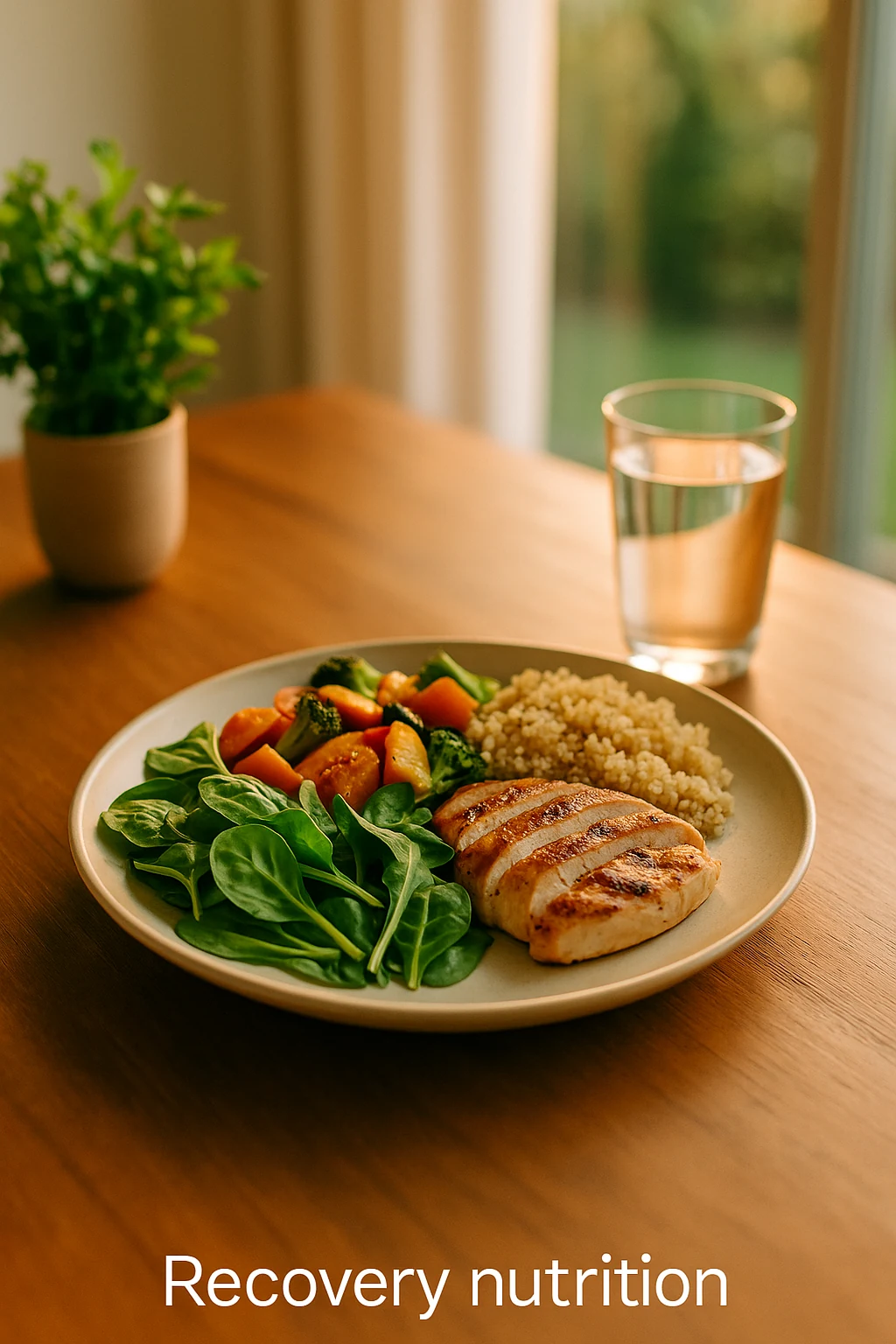
The body in addiction is depleted, inflamed, dysregulated. Recovery requires rebuilding it — and that work happens through nutrition, movement, sleep, and the somatic regulation that addiction taught the body to avoid. RECO Intensive's nutrition and exercise programming is part of the treatment plan, not a wellness afterthought.
What nutrition and exercise look like at RECO Intensive
Our recovery nutritionist designs meal programming at the residential level, conducts nutrition assessments at intake, and runs the weekly Balanced Nutrition group. Our exercise programming is supervised by trained staff in our on-property fitness facility and through outdoor activities (beach walks, ropes course, group athletic excursions).
The nutrition curriculum
- Protein adequacy for neurotransmitter precursor support
- Omega-3 supplementation for mood and inflammation
- B-complex restoration — particularly critical in alcohol-recovery clients
- Magnesium and electrolyte balance — affects mood, sleep, anxiety, cravings
- Blood-sugar regulation — reduces cravings and stabilizes mood
- Gut health — including the gut-brain axis impact on mood and inflammation
- Hydration — chronic dehydration is common at intake
- Sleep nutrition — evening foods and supplements that support sleep recovery
The exercise curriculum
- Foundational fitness — strength, cardiovascular, mobility at appropriate level
- Trauma-informed yoga — see our Yin & Vinyasa Yoga track
- Outdoor activities — beach walks, ropes course, group sports, nature trails
- Heart-rate-variability biofeedback — see Heart Regulation
- Sleep-aligned exercise scheduling — timing exercise to support rather than disrupt sleep recovery
What the science supports
The evidence for both nutrition and exercise as antidepressant, anti-anxiety, and recovery-supportive interventions is substantial and growing. Supervised exercise has antidepressant effects comparable to medication in many studies. Recovery nutrition reduces cravings, improves mood, and supports neurological recovery. These aren't wellness fluff — they're clinical interventions with measurable outcomes.
Who this serves
Every client. The work matters especially for clients with severe nutritional deficiencies at intake, clients whose addiction was driven by emotion-regulation gaps that exercise can fill, clients with co-occurring medical conditions that nutrition affects, and clients building the long-term recovery practices that hold up at year 5 and beyond.
Why RECO's nutrition and exercise programming is different
Many addiction programs include cafeteria food and an optional gym. Ours has a recovery nutritionist, clinical exercise programming, and integration with the rest of the treatment plan. The body that walks into treatment is not the body that finishes — and supporting that rebuilding is core to what we do.