
What Does Florida Rehab Admission Mean at RECO Intensive
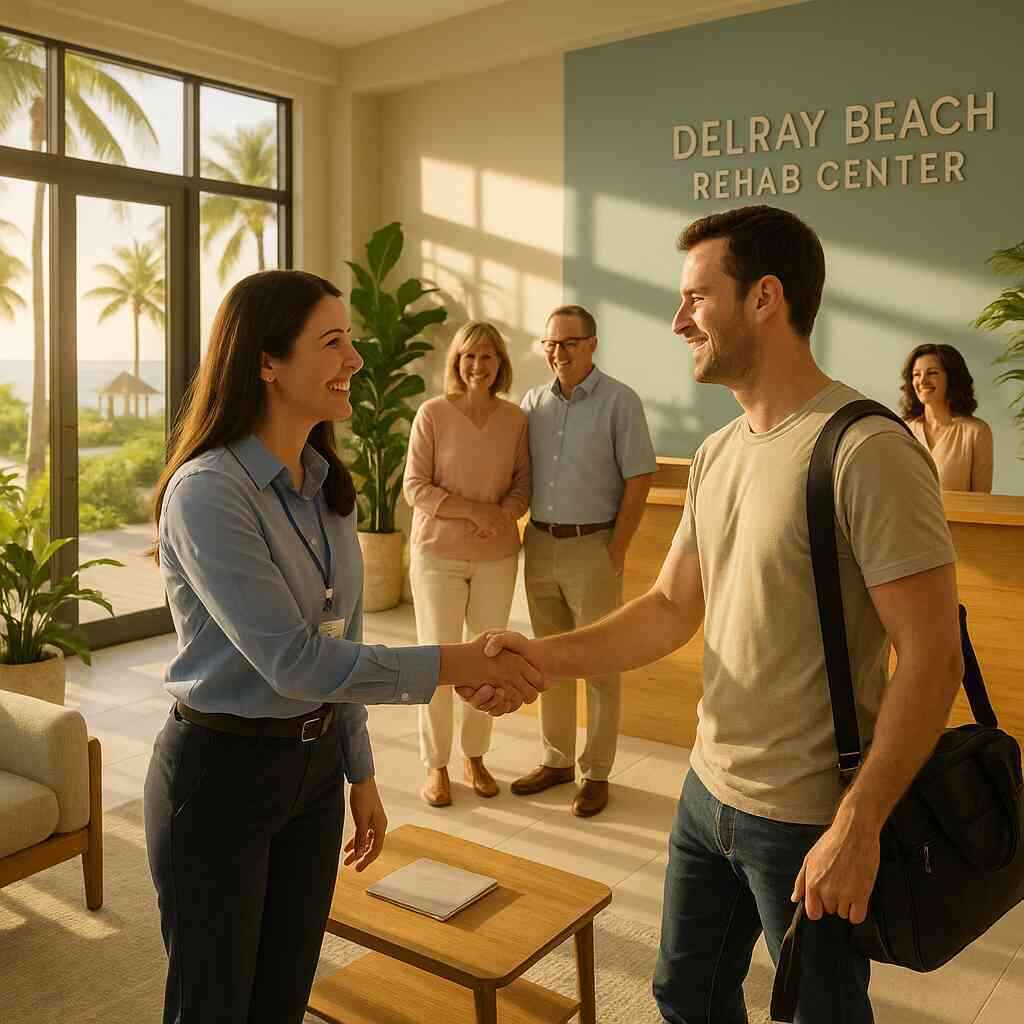
Opening Doors to Renewal at a Delray Beach Rehab Center Why Florida rehab admission is more than paperwork Beginning the Florida rehab admission process at our Delray Beach rehab center marks a profound decision to reclaim health. Clients quickly learn that admission involves honest conversations, not cold checklists. Our compassionate team explores lifestyle, substance history, […]


Opening Doors to Renewal at a Delray Beach Rehab Center
Why Florida rehab admission is more than paperwork
Beginning the Florida rehab admission process at our Delray Beach rehab center marks a profound decision to reclaim health. Clients quickly learn that admission involves honest conversations, not cold checklists. Our compassionate team explores lifestyle, substance history, and mental health needs with care. This dialogue helps craft a roadmap that respects each person’s story. Explore the detailed Florida rehab admission steps to see how preparation fuels confidence.
Beyond forms, admission opens emotional space for hope. Families often arrive exhausted, yet discover immediate relief as staff validate their fears. We explain treatment levels, introduce peer mentors, and outline first-day logistics in plain language. These early assurances transform anxiety into determination. Because recovery begins the moment someone says “yes,” our admission suite becomes the first healing environment.
Setting expectations for a compassionate journey
Prospective clients frequently imagine sterile corridors and rigid routines. RECO Intensive counters that image with warmth, sunlight, and conversation. During admission, we describe a schedule balancing evidence-based therapy with restorative downtime. Clients learn they will practice mindfulness on the beach, share stories in groups, and meet case managers who champion their goals. Clarity around daily structure reduces uncertainty and builds trust.
We also highlight the critical role loved ones play from day one. Parents, partners, and friends receive guidance packets and weekly update options. Through scheduled calls and workshops, they grow alongside the client, reinforcing progress at home. Our family support throughout rehab admission resources ensures no one feels left behind, creating a united front against relapse.
Connecting with a recovery center near you
Finding a rehab center near you can feel daunting when crises strike. RECO Intensive eases that search by offering quick response times and flexible consultation formats. Whether someone lives in South Florida or flies in, our admissions coordinators help arrange travel, lodging, and pre-detox medical clearances. Phone, video, and secure chat options let individuals ask sensitive questions in private, building rapport before arrival.
Clients also appreciate that RECO’s downtown campus integrates multiple levels of care under one umbrella. This continuity prevents disruptions as needs evolve, making local support seamless. Learn how our tailored treatment planning in Delray Beach adapts evidence-based methods to personal strengths and cultural values. With a single call, individuals discover a welcoming community ready to guide every step toward lifelong resilience.
Mapping the Journey from Crisis to Clarity
Your first call to the RECO Intensive intake team
Crisis often pushes families to reach for help within minutes. The first call to our intake line turns panic into structure. A compassionate admissions team member answers, never an automated menu. They ask brief grounding questions to understand immediate safety concerns. Then they listen, allowing stories to pour out without judgment. As hope returns, the conversation shifts toward concrete next steps. Callers receive guidance on transportation, documents, and what belongings are welcome. They also learn that our addiction help hotline stays open for follow-up queries. By the end, uncertainty feels smaller than courage.
Moreover, the staff explains how a Delray Beach rehab center differs from distant facilities. Proximity to coastal calm can lower early anxiety and withdrawal fear. Callers discover that South Florida treatment entry can happen within hours when clinically appropriate. Transportation teams coordinate flights or local rides, removing logistical barriers. Meanwhile, digital forms arrive through secure portals, reducing desk time on arrival day. This seamless recovery onboarding builds confidence before anyone packs a suitcase. Families feel included because they receive the same preparatory emails and welcome videos. Every detail clarifies that the journey begins long before someone steps through our doors.
Substance use and mental health assessment for personalized recovery
Once onsite, newcomers meet licensed clinicians for a thorough substance use evaluation. The assessment explores drug history, frequency, and physical health markers without a shaming tone. Interactive screening tools gather data while preserving client dignity. Clinicians also map triggers, social circles, and previous attempts at change. This information becomes the backbone of a comprehensive treatment roadmap. Because accuracy matters, lab work and cognitive testing complement narrative interviews. Results shape detox protocols, therapy placement, and medication decisions. Clients leave the session feeling heard rather than inspected.
Mental health receives equal attention during assessment. Specialists evaluate mood disorders, trauma history, and anxiety patterns alongside substance factors. Identifying dual diagnosis support needs early prevents fragmented care later. Psychiatrists, psychologists, and counselors collaborate in real time, preventing miscommunication. Screening also considers cultural background and spiritual preferences to honor individuality. Thorough data collection leads to evidence-based treatment services custom-fit to each person. Consequently, the plan advances beyond symptom control toward lasting emotional resilience.
Insurance verification and financial transparency
Finances should never overshadow healing, so transparency begins immediately. Dedicated specialists perform insurance checks during intake while callers remain on the line. They contact carriers, explain levels of care, and clarify deductible estimates. This real-time dialogue prevents surprise bills that can derail focus. Whenever gaps appear, coordinators propose scholarships or flexible payment options. Clients receive emailed summaries that translate policy language into plain English. Because accuracy matters, staff double-confirm figures before finalizing admission appointments finalize.
Financial clarity extends throughout treatment, not just day one. Weekly statements outline services rendered, remaining coverage, and upcoming authorizations. Counselors review these updates during sessions to relieve lingering stress. Families appreciate knowing exactly how resources support progress. This openness strengthens trust between the rehab center in Delray Beach and each household. Ultimately, transparent finances allow clients to invest emotional energy solely in recovery.
Coordinating Florida detox centers for a safe start
Medical stabilization often represents the first physical hurdle on the road to sobriety. Our clinicians determine whether onsite support or partner Florida detox centers best fit the medical risk. They consider substance type, usage length, and co-existing health conditions before deciding. Transport logistics and admission times synchronize to avoid dangerous withdrawal delays. Communication remains continuous; nurses update our team as symptoms evolve. This real-time collaboration ensures prescriptions and comfort measures align with future therapy plans. Clients feel safeguarded, knowing professionals guide every heartbeat through detox.
Education accompanies every medical step. Staff explain medical detoxification basics, including expected timelines and potential side effects. Families learn how to support from afar without compromising clinical boundaries. By demystifying the process, anxiety decreases and adherence improves. Clients also receive orientation packets describing the upcoming detox to outpatient transition. Because expectations are clear, momentum carries smoothly into therapeutic programming at RECO Intensive.
Designing a personalized recovery pathway in South Florida
After stabilization, the multidisciplinary team gathers to craft a personalized recovery pathway. They review assessment data, detox notes, and client preferences to set priorities. Modalities may include trauma-informed therapy programs, experiential groups, and mindfulness training. Schedules balance intensity with reflection, respecting each individual’s learning rhythm. Technology offers hybrid options, including virtual therapy at RECO Immersive when travel arises. This flexibility keeps engagement high while honoring real-life obligations. Every element integrates into a single calendar to avoid overwhelming newcomers.
The environment also shapes healing, so many participants choose sober residences near the RECO campus. These homes bridge step-down care planning with community accountability. Outdoor programming leverages beaches and nature preserves to strengthen holistic recovery programs. Counselors continually adjust milestones, ensuring goals remain challenging yet attainable. As confidence grows, clients rehearse relapse prevention planning within real-world scenarios. Graduates report that this layered, South Florida experience prepares them for life beyond treatment.
 From Detox to Dynamic Healing within the RECO Continuum
 From Detox to Dynamic Healing within the RECO Continuum
Seamless transition from detox to outpatient rehab in Florida
Leaving Florida detox centers can feel like stepping off a cliff, yet RECO Intensive turns that moment into a bridge. Care coordinators schedule every ride, appointment, and check-in, creating a truly seamless recovery onboarding experience. Clinicians share medical notes in real time, so the detox to outpatient transition never loses clinical momentum. Because the same compassionate admissions team follows each case, clients recognize familiar voices when arriving at the Delray Beach rehab center. That continuity softens anxiety and reinforces trust at a fragile stage.
Early sessions in outpatient rehab in Florida focus on stabilization without stagnation. Clients review medication adjustments, practice grounding techniques, and map short-term goals that match new energy levels. Counselors weave relapse prevention planning into daily routines, ensuring lessons feel practical rather than theoretical. Peer mentors describe their own step-down care planning victories, proving progress is possible. Each story transforms fear into forward motion while spotlighting community-an essential pillar of sustainable recovery.
Evidence based treatment services in a therapeutic community
A therapeutic community thrives on shared accountability, yet it must rest on scientific rigor. RECO Intensive offers evidence-based treatment services such as cognitive behavioral therapy, medication-assisted options, and motivational interviewing. Licensed clinicians track outcomes with digital dashboards, adjusting interventions when metrics plateau. Group facilitators reinforce lessons during experiential workshops, so insights migrate from notebooks to real life. That loop of practice and feedback accelerates mastery.
The setting itself fuels healing. Sunlit rooms, art studios, and outdoor gathering spots create psychological safety that textbooks alone cannot supply. Residents form micro-teams, celebrating milestones together while challenging unhelpful habits. This structured camaraderie mirrors healthy social networks waiting outside treatment centers. By rehearsing skills within a supportive ecosystem, clients exit knowing exactly how to anchor sobriety amid daily pressures.
Dual diagnosis support and trauma informed therapy programs
Substance issues rarely exist in isolation; mood disorders, anxiety, or unresolved trauma often share the stage. RECO Intensive integrates dual diagnosis support so mental health and addiction care progress in unison. Clinicians conduct targeted assessments, drawing on the latest research around co-occurring disorders understanding. Armed with data, psychiatrists fine-tune medications while therapists employ EMDR, somatic experiencing, or narrative repair techniques. Every modality honors the client’s window of tolerance, preventing emotional flooding.
Trauma-informed therapy programs also reshape internal narratives. Sessions spotlight resilience rather than pathology, turning survival strategies into strengths. Clients practice regulated breathing, sensory grounding, and mindful movement to rewire stress responses. Over time, triggers lose intensity, making relapse less tempting as a coping tool. Graduates often describe this emotional recalibration as the hidden treasure of their personalized recovery pathway.
Holistic recovery programs, including therapeutic excursions
Healing the body and spirit requires more than clinical talk, so RECO Intensive coordinates beach yoga, art walks, and volunteer days. These holistic recovery programs extend self-discovery beyond four walls, letting nature and culture become co-therapists. Clients can join carefully curated holistic excursions in treatment that challenge comfort zones while reinforcing mindfulness. Whether paddling through mangroves or painting murals downtown, participants test new coping skills in real-world scenarios. Each outing also strengthens fellowship, proving fun and sobriety can coexist beautifully.
Environmental variety sparks neuroplasticity. Shifting from sand to studio lights engages different sensory pathways, which deepens memory consolidation of therapeutic insights. Counselors debrief every excursion, translating moments of awe or frustration into actionable growth points. Because these adventures mirror future vacations, weddings, and stressful commutes, they serve as practical rehearsals. Clients leave with a toolkit adaptable to any setting, not just a clinical chair.
Family involvement and group therapy in Delray Beach
Long-term sobriety flourishes when households heal together, so family involvement in rehab starts early and remains consistent. Weekly multi-family groups teach communication strategies that replace blame with curiosity. Loved ones learn how boundaries support, rather than punish, recovery efforts. They also explore financial planning and emergency protocols, ensuring preparedness does not slide into panic. This education transforms home environments into extensions of the rehab center in Delray Beach.
Group therapy further widens the safety net. Clients dissect shared challenges, celebrate wins, and practice honest confrontation without fear of rejection. Facilitators steer discussions toward solutions, anchoring concepts inside collective wisdom. Graduates often continue attending alumni groups, weaving aftercare coordination Florida into everyday life. The result is a living network that evolves alongside each individual, outlasting any single program timetable.
Building Resilience for Life Beyond Treatment
Step down care planning and sober living integration
Transitioning out of structured programming demands a roadmap, not a leap of faith. At RECO Intensive, step-down care planning begins weeks before graduation to keep momentum steady. Clinicians, case managers, and clients identify realistic goals for work, education, and relationships. Because needs shift quickly, the plan remains flexible, updating whenever new stressors appear. This proactive structure prevents the sudden freedom from morphing into overwhelm.
Housing stability anchors the plan, so many participants choose nearby sober residences that reinforce healthy routines. RECO’s clinical team coordinates daily schedules with trusted housing partners to align curfews, therapy times, and community rules. Residents practice budgeting, meal prep, and peer accountability while still accessing outpatient groups. Linking home life to therapy sessions accelerates skill retention and confidence. The continuity also reassures families, who see safeguards instead of gaps.
Integration grows stronger when clients connect with our sober living partner RECO Institute. This collaborative campus shares recovery values, staff communication channels, and emergency protocols. Shared events-like evening meditation or weekend service projects-foster camaraderie beyond therapy walls. Clients can test boundaries, such as returning to work, while knowing support sits only a block away. Graduates often describe this phase as a rehearsal for independent living, complete with rehearsed responses to triggers.
Relapse prevention and aftercare coordination across Florida
Relapse prevention at RECO Intensive starts early, weaving into every therapy module rather than appearing as a final lecture. Counselors teach clients to track thoughts, feelings, and behaviors through simple daily logs. Identifying patterns empowers people to interrupt cravings before they escalate. Role-play sessions simulate real-world stressors, so coping strategies feel familiar when challenges arise outside campus. Clients leave with a custom toolkit that evolves alongside them.
Aftercare coordination stretches statewide, recognizing that many graduates travel for family or career. The admissions team links clients to vetted therapists, support groups, and medication providers across Florida. Telehealth options guarantee continuity if local resources shift or schedules tighten. Monthly check-ins review progress, update relapse plans, and celebrate milestones. This ongoing relationship transforms aftercare from a recommendation into a living partnership.
Alumni engagement and community connections in Delray
Recovery thrives in fellowship, so alumni programming keeps former clients woven into the RECO fabric. Weekly alumni groups welcome all graduates, whether they left last month or several seasons ago. Facilitators encourage participants to mentor newcomers, turning lived experience into guidance. Shared activities-such as beach cleanups or art nights-blend service with joy, reminding everyone that sobriety can be vibrant.
Community ties also extend beyond formal meetings. Local employers, fitness studios, and volunteer organizations partner with RECO to create sober-friendly spaces. Alumni often spearhead these initiatives, building networks that benefit future graduates. When setbacks occur, this community responds with resources, not judgment. By nurturing lifelong connections in Delray, RECO Intensive ensures that resilience grows stronger every year of recovery.
Embracing Tomorrow with Confidence
 Embracing Tomorrow with Confidence
Celebrating commitment to long term sobriety
Reaching sustained sobriety marks a profound achievement that deserves deliberate celebration. Graduates often feel renewed purpose when they reflect on months of disciplined practice. Counselors encourage personal ceremonies that honor completed relapse prevention planning milestones. By framing progress as a living victory, clients anchor motivation for future challenges. Sharing stories within the Delray Beach rehab center community reinforces accountability and pride.
Alumni gatherings put that pride into action through mentorship, service, and creative expression. Monthly beach meetings remind everyone that recovery thrives in sunlight, laughter, and honest dialogue. Speakers highlight how ongoing group therapy in Delray strengthens emotional intelligence and social bonds. Celebrations also invite families, transforming earlier worry into shared gratitude for long term sobriety. Each toast whispers the same message: commitment continues, and possibilities remain limitless.
How RECO Intensive supports continued growth
Sustaining growth requires structured support, not hopeful guessing. RECO Intensive extends aftercare coordination that Florida residents trust, beginning before discharge. Case managers outline step down care planning that integrates housing, employment, and counseling schedules. Graduates join the RECO Intensive community on Facebook for events, resources, and peer encouragement. Mobile check-ins track mood trends and connect users with clinicians when stress peaks. This digital mesh keeps personalized recovery pathways alive long after formal sessions conclude.
In-person alumni workshops explore integrated coping skills, career coaching, and mindful fitness practices. For travelers, virtual therapy at RECO Immersive preserves therapeutic momentum from any location. Licensed clinicians coordinate sessions with external doctors to ensure integrated mental health on the recovery journey. Regular progress reviews update goals, preventing complacency from eroding motivation. Whenever new goals emerge, staff adapt resources quickly, demonstrating unwavering commitment to each individual.
Frequently Asked Questions
Question: How does the compassionate admissions team at RECO Intensive guide me through the Florida rehab admission process?
Answer: From the first call to our addiction help hotline, a live admissions specialist listens to your needs and immediately begins the RECO Intensive intake. We verify insurance on the spot, arrange travel to our Delray Beach rehab center, and schedule any required medical clearances at trusted Florida detox centers. By turning paperwork into a conversation, the team crafts a comprehensive treatment roadmap that blends substance use evaluation, mental health screening, and your personal goals. This seamless recovery onboarding removes barriers so you can focus on healing, not logistics.
Question: What documents and insurance information should I prepare before starting my Florida rehab admission at the rehab center in Delray Beach?
Answer: To speed up your Florida rehab admission process, please have a photo ID, insurance card, recent medical records, and a brief list of prescribed medications. If you’ve completed detox elsewhere, include discharge summaries from any Florida detox centers. Our compassionate admissions team will handle insurance verification for rehab while you’re on the phone, translating copays and deductibles into clear numbers. With these items in hand, most clients finalize admission within a single call and arrive at our South Florida treatment entry point in less than 24 hours.
Question: In the blog post What Does Florida Rehab Admission Mean at RECO Intensive, holistic recovery programs are highlighted. How quickly can I access these services after detox?
Answer: The moment you complete detox to outpatient transition, you begin personalized recovery pathways that include beach yoga, art therapy, and therapeutic excursions-often within your first week on campus. Because our Delray facility houses multiple levels of care, clinicians integrate evidence-based treatment services like CBT with holistic recovery programs without delay. This balance of science and mindfulness accelerates mental health and addiction care, helping you build resilience from day one.
Question: Will my family be involved during treatment, and how does aftercare coordination across Florida work once I complete outpatient rehab?
Answer: Yes. Family involvement in rehab starts during admission when loved ones receive education packets and are invited to weekly update calls. Throughout treatment, multi-family groups teach healthy communication and relapse prevention planning. As graduation nears, our team creates step-down care planning that links you to support groups, therapists, and sober living options statewide. Monthly check-ins and virtual therapy at RECO Immersive keep progress on track wherever life takes you in Florida.
Question: How does RECO Intensive ensure a seamless transition from Florida detox centers to outpatient rehab and sober living integration?
Answer: Coordination begins before detox ends. Nurses share real-time updates with our therapists so medication plans and therapy schedules are ready upon arrival at the recovery center near you in Delray. Transportation is arranged, personal belongings are secured, and orientation materials await you on day one. When you’re ready for sober living integration, RECO partners with RECO Institute residences just blocks away, synchronizing curfews, group therapy in Delray, and employment support. This continuum-from detox to outpatient rehab Florida to sober housing-keeps momentum strong and relapse risk low.


