
RECO Intensive Explains SMART Recovery and 12 Step Options
When a worried family starts searching for the right recovery path If you are reading this because the house feels tense, take a breath. This part is confusing for most people. A loved one may be drinking more, using pills, or disappearing for hours, and the old explanations no longer fit. Families often start searching […]


When a worried family starts searching for the right recovery path
If you are reading this because the house feels tense, take a breath. This part is confusing for most people. A loved one may be drinking more, using pills, or disappearing for hours, and the old explanations no longer fit. Families often start searching for Delray Beach rehab, Florida addiction treatment, or even drug rehab near me at the same time they are trying to keep work, kids, and sleep on track. That pressure can make every option sound urgent and every delay feel dangerous.
Why SMART Recovery and 12 step options keep showing up in real treatment decisions
People ask about SMART Recovery and 12-step recovery programs because both show up in real discharge plans. They are not the same, and that matters. SMART Recovery uses practical tools, self-management, and cognitive skills. Twelve-step support leans on peer accountability, service, and regular meetings. Many families in South Florida recovery want to know which one fits their loved one, and the honest answer is that it depends on the person and the problem.
At RECO Intensive, families often arrive after hearing mixed advice from friends, therapists, and search results. One mother from Palm Beach County once told us she had three tabs open for RECO Intensive reviews, two more for detox, and one for 12-step alternatives. She was not indecisive. She was overwhelmed. That is normal when you are trying to make a decision that touches safety, shame, and hope at the same time.
“Really a great place. Just like anywhere you have to want recovery. But they make it easy here. Nice housing, everything you need. Solid staff. Filoude and Molly are amazing therapists! Brock and Cat make being a part of the community seamless. Guy is the coolest “American” (tech) that works here. Also, you have full access to ymthe case management team. If you need something done, they will make sure you have a solid foundation before stepping back into the world!”– Derick R., a 5 star review from our business on Google Business Reviews
What signs of addiction usually make support groups feel urgent instead of optional
Support groups feel urgent when the signs stop looking like a phase. Missing work, lying about use, driving after drinking, and sudden money problems are common warning signs. So are blackouts, withdrawal, and using more than planned. Families also notice changes in sleep, mood, and patience. When someone begins hiding bottles, pills, or contacts, the need for structure rises fast.
A few signs deserve special attention. Repeated vomiting after heavy drinking, shaking in the morning, or confusion can point to serious alcohol withdrawal. Seeking cocaine detox Florida, opioid rehab Delray, fentanyl treatment, or heroin recovery help becomes more urgent when use includes overdose risk or failed attempts to quit. If prescription pills, benzodiazepine withdrawal, or prescription pill addiction are involved, support should include careful medical oversight. That is not dramatic. That is responsible.
How Delray Beach rehab families think through alcohol recovery support drug rehab near me and dual diagnosis treatment at the same time
Families in Delray Beach often think in layers. First, they ask about alcohol or drug use. Then they ask about mental health. Then they ask what level of care makes sense near Atlantic Avenue, the beach, or a commute across Palm Beach County. It is common to compare alcoholism treatment center options, inpatient rehab Palm Beach County, outpatient program Delray Beach, and mental health IOP at once. The search gets even more complicated when trauma, depression, or anxiety sit underneath the substance use.
If someone uses alcohol to sleep, calm panic, or shut off memories, dual diagnosis treatment matters. Co-occurring depression and addiction, anxiety treatment, PTSD treatment, and bipolar disorder therapy change the plan. A family may think they need only a rehab bed, but the real need may be integrated care that addresses both symptoms and substance use. Here is the part most families miss: the best fit is not the loudest promise. It is the plan that matches the person in front of you.
Why one recovery path can fit one person and fail another
There is no single recovery path that works for everyone. That is not a weakness in the field. It is how human behavior works. Some people want structure and slogans. Others want privacy and skills. Some people need medication support. Others need trauma work, steady routines, and a group that makes them feel seen without being exposed.
What SMART Recovery asks of the mind and why some people like its non 12 step recovery path
SMART Recovery is a non-12-step recovery path that focuses on practical change. It uses tools from cognitive behavior work, motivation, and self-management. Many people like it because it feels direct. There is less spiritual language and more attention to thought patterns, urges, and habits. For someone who wants a measured, skills-based plan, that can feel easier to accept.
The strongest part of SMART is that it asks you to observe your own thinking. That may sound simple, but it is not. A person in early recovery often feels flooded by excuses, panic, or shame. SMART helps slow that loop down. It gives language for craving, lapses, and triggers, and that can be useful when you are building a life after detox. For many people, SMART Recovery for addiction support fits well alongside therapy and outpatient care.
How 12 step recovery programs build peer support for recovery through structure sponsorship and regular meetings
Twelve-step support works differently. It builds recovery through regular meetings, shared language, and sponsorship. That structure can matter a great deal when someone feels isolated or easily overwhelmed. The group becomes a place to show up, listen, and be known. For many families, that kind of routine is the bridge between treatment and daily life.
The value is often in repetition. Meetings happen often. People hear the same principles again and again. That predictability can lower chaos. It can also help someone tolerate discomfort without running back to use. In many treatment plans, 12-step recovery programs are part of the larger continuum, not the entire answer. A person may attend meetings, live in sober housing, and keep therapy appointments all at once.
Where CBT dialectical behavior therapy and mindfulness meditation fit when the real issue is coping skills and relapse prevention
This is where therapy matters. Cognitive behavioral therapy and dialectical behavior therapy help people notice thoughts, feelings, and actions before they turn into relapse. CBT looks at the belief behind the urge. DBT teaches distress tolerance, emotion regulation, and better choices under stress. Those tools matter when cravings are tied to anger, loneliness, or panic. They also matter when someone keeps repeating the same pattern after each setback.
Mindfulness meditation can help too, especially when the body stays on alert. A person who has lived with chaos may not know what calm feels like. Mindfulness teaches attention without panic. It does not erase pain. It helps people stay with the feeling long enough to choose a safer response. In treatment, evidence-based treatment and coping skills are not buzzwords. They are the day-to-day tools that make relapse prevention possible.
Why co occurring disorders change the answer for depression and addiction anxiety treatment PTSD treatment and bipolar disorder therapy
Co-occurring disorders change everything. A person can have substance use and a mental health diagnosis at the same time. That is called dual diagnosis or co-occurring disorders. NIDA and SAMHSA both support integrated care because treating only one side often leaves the other side active. If depression stays untreated, drinking may continue. If trauma stays raw, using may feel like the only relief. 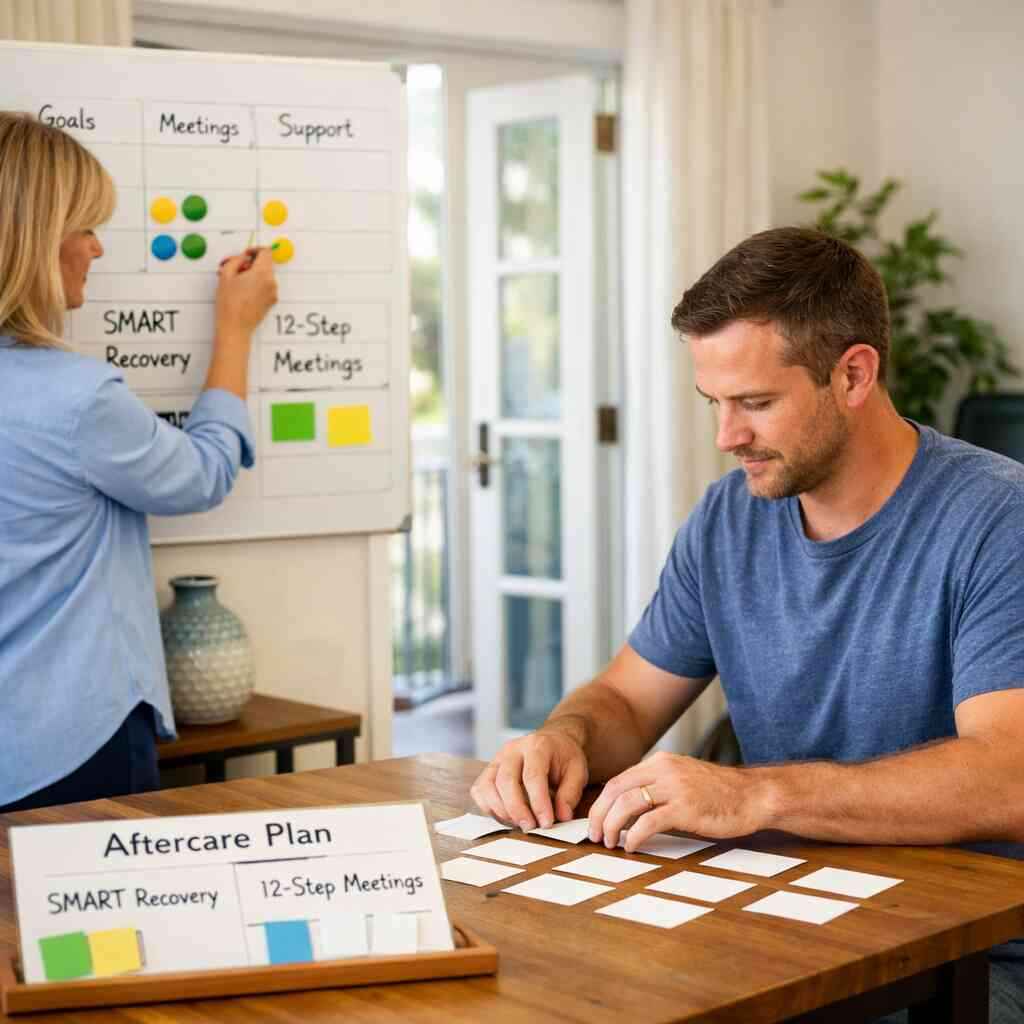
That is why dual diagnosis treatment for co-occurring disorders matters so much in real care. A person with anxiety treatment needs more than reassurance. Someone with PTSD treatment may need trauma therapy, safety planning, and a steady pace. Bipolar disorder therapy requires careful coordination because mood swings can affect cravings and judgment. In the programs we see most often, the mistake is trying to treat substance use as if emotions do not matter. They do.
When medication assisted treatment and options like Suboxone maintenance or Vivitrol injections belong in the plan
Sometimes therapy and meetings are not enough at the start. That is when medication-assisted treatment may belong in the plan. Suboxone maintenance can reduce opioid cravings and withdrawal. Vivitrol injections may help some people by blocking opioid effects or reducing alcohol cravings, depending on the clinical plan. These are FDA-approved medications, and they should be considered with medical oversight.
Medication is not a shortcut. It is a support. For someone in opioid rehab Delray, especially after fentanyl exposure, medical planning can reduce immediate risk. For someone leaving detox after heavy alcohol use, medication may help stabilize the next stage. At RECO Intensive, decisions around medication-assisted treatment with Suboxone maintenance and Vivitrol injections should always be individualized. That is how care stays grounded instead of generic.
Recovery support optionMain focusOften fits best whenSMART RecoverySelf-management and skillsYou want a practical, non-12-step model12-step supportPeer support and structureYou need routine and accountabilityCBT/DBTThoughts, emotions, and behaviorTriggers and coping skills drive relapseMedication-assisted treatmentCravings and withdrawal supportOpioid or alcohol risk is highChoosing a path that holds up after discharge and in the real world
The real test starts after discharge. That is when routine gets loud again. Bills, work, traffic on Federal Highway, a long drive home, and old habits can all push recovery off track. A plan only works if it survives ordinary life. That is why level of care, family support, and aftercare matter as much as the initial admission.
How RECO Intensive in Delray Beach frames SMART Recovery and 12 step options inside PHP IOP and residential treatment facility care
At RECO Intensive in Delray Beach, the goal is not to force one model on everyone. The better question is what support matches the person’s stage of recovery. Some people need a residential treatment facility. Others need a partial hospitalization program first, then intensive outpatient. Some move into an outpatient program Delray Beach after higher care. The schedule matters because recovery skills need repetition, not just insight.
Families often ask what the difference is between PHP and IOP. PHP usually offers more hours and more structure. IOP gives more flexibility for work, school, or parenting. Both can support group work, therapy, and relapse planning. If you are comparing levels of care, our outpatient program in Delray Beach and our partial hospitalization program in Delray Beach are good places to understand the day-to-day rhythm. That context helps people choose more calmly.
What aftercare planning looks like when sober living resources alumni program support and case management matter
Discharge is not the finish line. It is the handoff. A sound plan may include aftercare planning, sober living resources, alumni contact, therapy follow-up, and case management. These parts matter because early recovery can be shaky even after a solid stay. People need help with rides, appointments, work pressure, and housing choices that support sobriety.
A man in his twenties once told us the hardest part was not cravings. It was the gap between treatment and his first sober apartment. He had meetings on paper, but no ride, no structure, and too much idle time. That kind of gap can undo progress fast. Aftercare planning and relapse prevention support should close those gaps before discharge, not after trouble starts. The same is true for sober living resources in Delray Beach and alumni follow-up.
How family therapy family weekend and life skills training strengthen long term recovery beyond the treatment bubble
Families often need their own repair work. Family therapy helps people speak more clearly and set healthier limits. Family weekend can teach relatives how addiction changes communication, trust, and conflict. That matters because home can either support recovery or quietly pull it apart. If a household keeps the same arguments, the same rules, and the same denial, treatment has a harder job.
Life skills training also deserves more attention. People leaving treatment may need help with sleep routines, meal planning, budgeting, job structure, and time management. Those are not small things. They are relapse prevention in plain clothes. RECO’s family therapy and family weekend in recovery and related support can help translate treatment gains into daily habits.
What to ask before choosing private rehab including insurance verification out of network benefits and Florida rehabs that take insurance
Cost fear is real. Insurance confusion is real too. Before choosing a private rehab, ask about insurance verification, out-of-network benefits, deductibles, and what level of care your plan covers. Some families assume they cannot afford help, then learn they do have usable benefits. Others assume every program is in-network, then discover they need a different strategy.
A good admissions team should explain options clearly. You should know whether the program accepts Aetna, Cigna, Blue Cross Blue Shield, or another carrier, and how self-pay works if needed. Ask directly about insurance verification for Florida rehab plans and how the team handles benefits review. If you are sorting through how to choose a rehab in Florida, make sure the answer includes clinical fit, not just price.
Why a good match depends on licensed clinicians evidence based treatment and the recovery community around Atlantic Avenue and South Florida
The strongest programs pair licensed clinicians with evidence-based care. That means therapies with research behind them, not just good branding. It also means matching care to the local recovery scene. Delray Beach has a deep recovery community, and that can help after discharge. Coffee shops, meetings, alumni events, and sober living options near Atlantic Avenue can support long-term change when the clinical work continues.
A good match also respects place. South Florida heat, traffic, nightlife, and beach culture create real triggers and real supports. A person may need the calm of a coastal setting, but also the structure to live in it safely. If you are looking for recovery support options in Delray Beach, ask about clinical depth, daily structure, and continuing care. You do not have to solve every part of this today. Start by verifying the program, the level of care, and the supports that will still matter after discharge.
Frequently Asked Questions
How long does detox last at a Delray Beach rehab?
Detox length depends on the substance, how long use has continued, and medical risk factors. Alcohol and benzodiazepine withdrawal may need close monitoring. Opioid withdrawal often looks different from alcohol withdrawal. A good program will assess symptoms, history, and safety first. If you need a clearer picture, ask about the medical detox process during intake.
Does RECO Intensive take my insurance?
Coverage depends on your plan, network status, and level of care. The best next move is a benefits check, not guesswork. Ask for verification and have your card ready. You can start with insurance verification for Florida rehab plans.
What is PHP vs IOP?
PHP, or partial hospitalization, usually offers more treatment hours and more structure. IOP, or intensive outpatient, gives more flexibility for work, school, or family duties. Both can include therapy, groups, and relapse planning. The right fit depends on safety, symptoms, and daily support at home.
Can family be involved in treatment?
Yes, many programs include family therapy and family education. That support can help relatives set healthy boundaries and improve communication. Family involvement often helps treatment carry over into home life. RECO Intensive offers family therapy and family weekend in recovery.
What if I need help for depression but not addiction?
If depression is driving alcohol or drug use, integrated care may still help. Some people enter treatment for mood symptoms and later learn substance use is part of the picture. Depression and addiction often overlap. A careful assessment can sort out what needs attention first.
Do SMART Recovery meetings replace therapy?
No. SMART Recovery meetings can support change, but they do not replace clinical care. They work best alongside therapy, psychiatric support when needed, and a discharge plan. For many people, meetings are one piece of a much larger recovery plan.


