The Mental Health Impacts of COVID-19 on the Front Lines
As we continue to feel the impacts of COVID-19 in every corner of our nation, many of us have turned our attention to the essential healthcare workers who are on the front lines, serving those who are suffering from this terrible illness. Our healthcare workers make tremendous sacrifices every day, putting themselves—and their loved ones—at […]


As we continue to feel the impacts of COVID-19 in every corner of our nation, many of us have turned our attention to the essential healthcare workers who are on the front lines, serving those who are suffering from this terrible illness.Our healthcare workers make tremendous sacrifices every day, putting themselves—and their loved ones—at risk of contracting COVID-19.From doctors to nurses to medical assistants, thousands of medical staff serve our county residents, at testing facilities, medical offices, and in our hospitals. One of those nurses was William Coddington—a West Palm Beach resident who worked at JFK Medical Center.As told to local publication the Palm Beach Post, when the pandemic began, Coddington started working in the coronavirus ward of the intensive care unit, treating patients who were critically ill.In an April 13 Facebook post, Coddington wrote of the situation at the Medical Center, stating that they were in dire need of masks. He went on the comment on the stressfulness of the conditions at the hospital as the staff adapted to the growing crisis.A little more than a week later, 32-year-old Coddington died of an apparent drug overdose.Coddington’s father, Ron, stated that his son had celebrated five years of sobriety, and that his addiction to opiates started after a leg injury.Although Coddington had been doing well in his recovery, the strain of the coronavirus pandemic appeared to be taking its toll.“It was the stress of seeing people hurting, people dying,” his father told the Post.As his family and friends mourn his loss, it is an important time to remember that the mental health of our healthcare professionals is paramount—particularly in unprecedented times of crisis like these.
Struggling to Cope with Stress on the Front Lines
For those who are recovering from addiction, the feelings of isolation that are associated with social distancing can lead to intense struggles, particularly when recovery is rooted in community. Coddington’s father noted that it was difficult for his son to be distant from his friends while he worked in the intensive care unit.Mental health can also be adversely affected by stress—and the stress stemming from this pandemic is unlike any other.In a recent article published on the JAMA Network, physician John Z. Ayanian wrote of the struggles that many healthcare workers are facing in regard to their mental health.There, he stated that research has found that the following factors of caring for patients with COVID-19 could lead to adverse mental health effects:- Caring for co-workers who have been infected
- Concerns about infecting others from workplace exposures
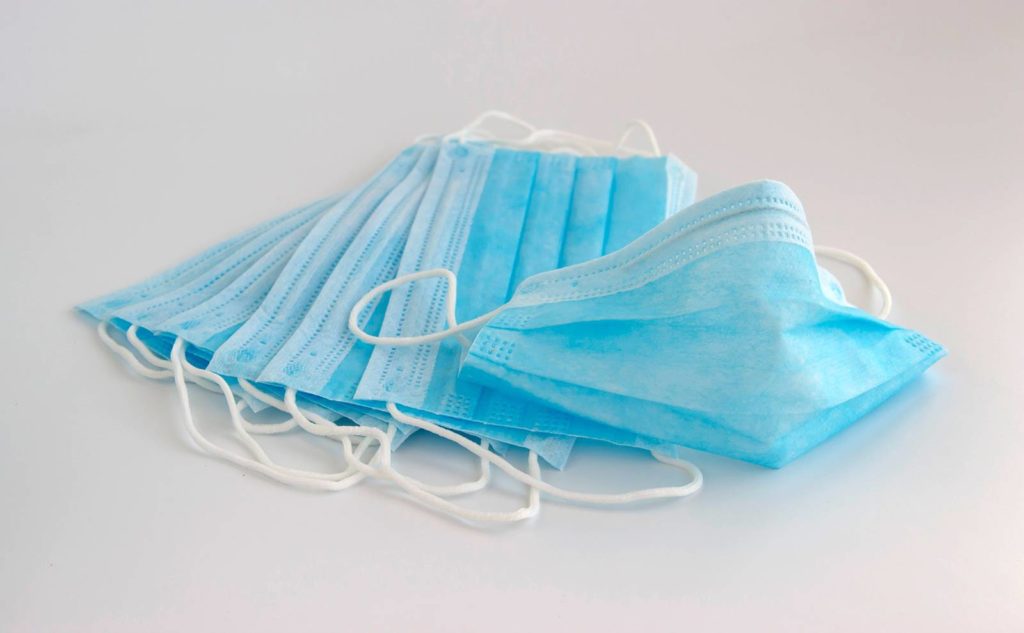
- Shortages of personal protection equipment
- Shortages of ventilators or other supplies