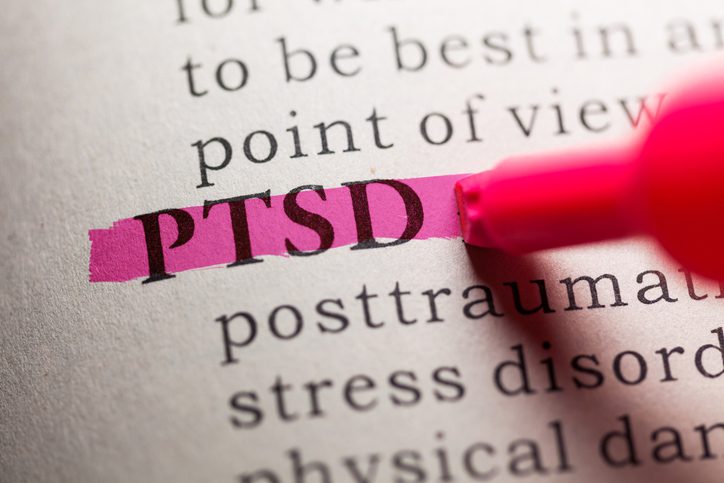
PTSD: Survival, Treatment, and Coping
Post-traumatic stress disorder, or PTSD, is a mental health disorder some people develop after a particularly scary or traumatic event. PTSD, though scary and emotional, is a natural reaction or development after trauma. A person can develop this condition from virtually anything. There is no shame in being afraid or experiencing symptoms of PTSD for […]


Post-traumatic stress disorder, or PTSD, is a mental health disorder some people develop after a particularly scary or traumatic event. PTSD, though scary and emotional, is a natural reaction or development after trauma. A person can develop this condition from virtually anything. There is no shame in being afraid or experiencing symptoms of PTSD for any cause.
History of PTSD
For a long time, PTSD was only recognized in war veterans who experienced a great deal of near-death experiences, tragedy, trauma, and injury. At the time, PTSD was called “shell-shock,” and a veteran was said to come home “shell-shocked” from what they had seen. According to the National Institute on Mental Health, it was common knowledge to doctors at the time that concussions and other injuries to the head put soldiers at higher risk for PTSD. What they did not always realize was the emotional toll that war took on them and how people who did not experience war can experience similar symptoms from other traumas. Defining PTSDPSTD is known as a range of reactions that develop in people who experience extreme trauma (NIMH). Symptoms for PTSD will usually begin within three months of the trauma but may be experienced years later. Those who experience this condition will experience a wide range of symptoms leading to diagnosis. These symptoms can be broken up into several categories, including: #1. Re-Experiencing Symptoms. These cause problems in one’s everyday routine, especially when they start thinking about painful memories or experience unfortunate reminders. Symptoms include:- Flashbacks to the trauma, including the physical state of the trauma, such as increased heartbeat and sweating
- Bad dreams reliving the trauma
- Frightening thoughts
- Being easily startled
- Chronically feeling tense or on-edge
- Having difficulty sleeping
- Having angry outbursts
- Trouble remembering key features of the traumatic event
- Negative thoughts, either about the world or oneself
- Distorted feelings of guilt or blame
- Loss of interest in enjoyable activities
- Staying away from places, events, or objects that remind a person of that particular event
- Avoiding thoughts or feelings of traumatic events
Diagnosis of PTSD
According to the National Institute on Mental Health, most people will experience PTSD symptoms in the short term after a traumatic event and will maybe experience a few of them for longer. Symptoms that last longer than a month and that affect your relationships, work, and daily routines drastically beyond the initial point of grief are considered when looking at a diagnosis. In adults, to be diagnosed with PTSD, one must have each of the following for at least one month:- At least one re-experiencing symptom
- At least one avoidance symptom
- At least two arousal and reactivity symptoms
- At least two cognition and mood symptoms
- Wetting the bed
- Forgetting how or being unable to talk
- Acting out the scary event during play or game time
- Being unusually clingy with a parent or adult


