A Guide to Aftercare Planning and Sober Living Resources in Delray
What happens after treatment ends, and why that moment matters more than most people expect The quiet gap between discharge day and real life in Delray Beach The hardest part often starts after the structure ends. You may leave a schedule, a therapist, and a protected space, then face a quiet apartment, old contacts, and […]

What happens after treatment ends, and why that moment matters more than most people expect
The quiet gap between discharge day and real life in Delray Beach
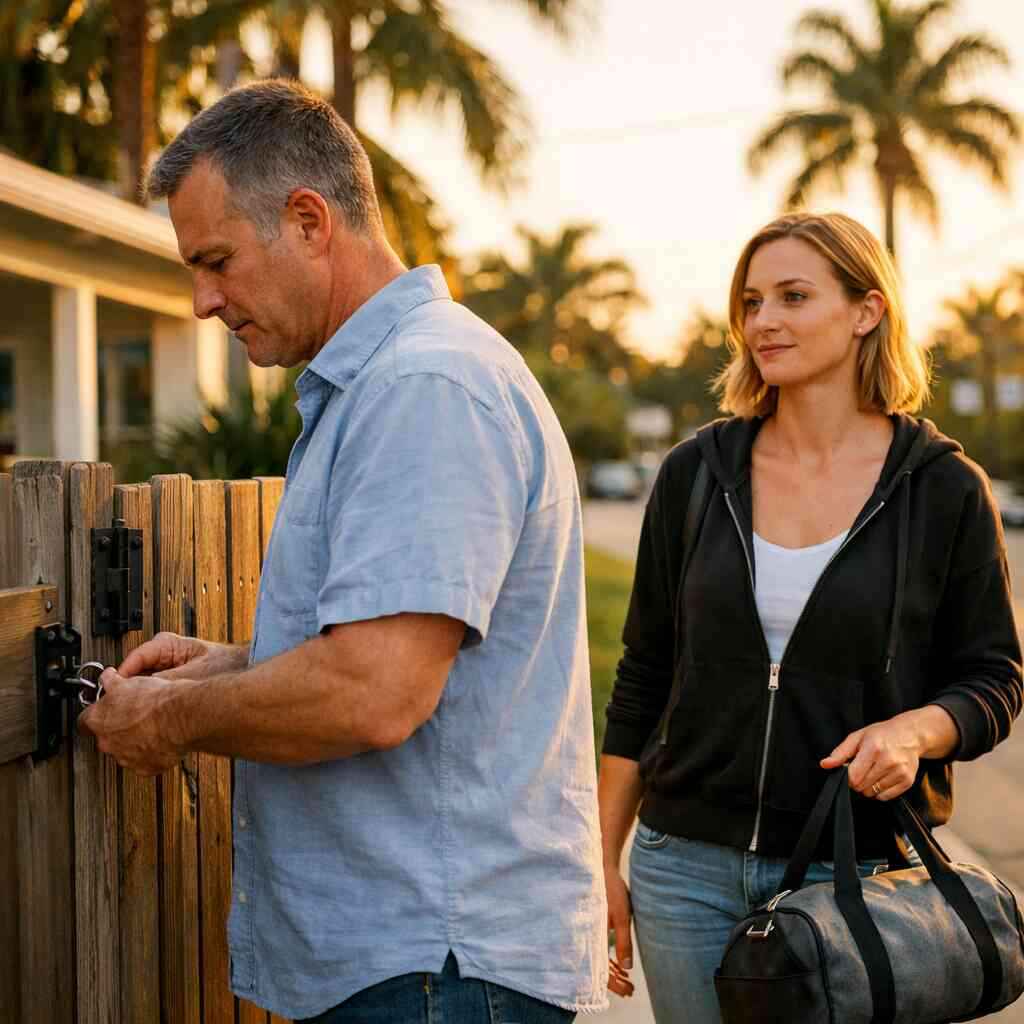
The hardest part often starts after the structure ends. You may leave a schedule, a therapist, and a protected space, then face a quiet apartment, old contacts, and too much free time. If you are reading this because discharge feels close and that makes your stomach tighten, that reaction makes sense. People often expect relief on that day, but feel exposed instead. In Delray Beach, where the pace shifts from beach traffic to late-night stillness, that gap can feel even louder.
What happens next matters because the brain still remembers old routines. Early recovery needs post-treatment support before confidence outruns stability. A strong plan should include aftercare planning in Delray Beach, recovery housing options, and clear contact points for hard days. If you have been searching for aftercare planning in Delray Beach, you are probably trying to prevent guesswork from becoming risk. That is the right instinct.
One client in a coastal apartment near Atlantic Avenue said the evenings felt “too open” after treatment. He was doing well at noon and unraveling by nine. The issue was not motivation. It was structure. Once he added a sober home, evening check-ins, and a walking routine, the week became predictable again.
Why aftercare planning starts before you leave a PHP or IOP schedule
The best plans begin while treatment is still active. That gives you time to test what works, not just hope it will work later. If you are in a partial hospitalization program or intensive outpatient, your team can help map triggers, transportation, medication needs, and family contact. This is also where case management, life skills training, and vocational support start to matter. Learning those pieces early reduces the shock of the transition from rehab to real life.
At RECO Intensive, how aftercare planning supports relapse prevention is not treated like an optional extra. It is part of the handoff. That handoff should include recovery housing, support groups, and a plan for work or school. It should also include insurance verification and a sober support schedule. If you wait until discharge morning, you may feel rushed and underprepared.
Here is the part most people miss. Aftercare is not just “what to do next.” It is a way to protect the gains you already made. For many people, especially those leaving a Florida addiction treatment setting, that means combining therapy, housing, and community support in one plan. That is how the early weeks stop feeling like a cliff.
The practical risks that show up when support drops too fast
Support that ends too suddenly creates real risk. Cravings can return. Sleep can slip. Old friends may text at the wrong hour. Even positive stress, like returning to work or family duties, can push a person toward old habits. That is why relapse prevention planning needs to be specific, not vague.
The common risks look like this:
- Unstructured evenings and weekends
- Isolation after discharge
- Skipped meetings or therapy sessions
- Poor medication follow-through
- Returning to the same home environment too soon
- Shame after a small slip
In South Florida, those risks can be amplified by easy access, social pressure, and a lifestyle that often looks calm on the surface. A person may appear fine during the day, then struggle at night. This is common in alcoholism treatment center settings, opioid rehab Delray cases, and prescription pill addiction recovery. It also shows up in cocaine detox Florida follow-up care, where the acute phase ends before the emotional work does.
How sober living resources in Delray can steady early recovery without making it feel clinical
Sober living resources in Delray do not need to feel sterile or punishing. The right home gives you structure, peer accountability, and enough freedom to practice real life. That can include house rules, curfews, drug testing, chores, and shared expectations. It can also include a calm, beachside recovery environment that feels human instead of institutional.
A good sober living resources in Delray Beach search should focus on fit, not hype. You want a home that supports sleep, routine, and respectful boundaries. You also want proximity to meetings, outpatient care, and work. In the Delray Beach recovery community, that mix often helps people maintain momentum without feeling trapped.
A young adult leaving a higher level of care once described sober living as “training wheels with rules.” That was not a bad description. He needed reminders, not rescue. With peer support, a quiet room, and regular transportation to treatment, he stayed connected long enough for confidence to grow.
“I was able to help a friend of family receive treatment at RECO for his alcoholism. He is in his early 60’s and I wondered how he would adjust to the the program. He states it’s been an absolute amazing experience and loves the staff. He is now in sober living and thriving. Thank you RECO!!!”– Tim S., a 5 star review from our business on Google Business Reviews
Which level of support fits best when the chaos has started to settle
When a residential treatment facility still makes more sense than outpatient care
Sometimes outpatient care is too much freedom, too soon. If you are still dealing with unsafe use, unstable housing, strong cravings, or repeated relapse, a residential treatment facility may fit better than step-down care. That is especially true when you are also managing trauma, depression, or panic that keeps cutting through your focus. The right level of care should match your current stability, not your hopes alone.
People often ask how to choose a rehab when things feel urgent. Start with safety. If you cannot keep yourself safe between sessions, outpatient may not be enough yet. If you need detox, medical supervision, or constant support, a residential setting can give you time to stabilize before you return to daily life. For many families, that decision becomes clearer after a careful assessment rather than after another crisis.
RECO Intensive’s model includes coordination across levels of care. That matters because treatment should shift with you. If you need South Florida detox, inpatient rehab Palm Beach County support, or a step-down plan, the clinical team can help you match the level to the need. That kind of sequencing reduces confusion and lowers the odds of a rushed discharge.
What PHP vs IOP really means for work, family, and daily structure
The question what is PHP vs IOP comes up almost every day. PHP, or partial hospitalization program, gives you a fuller schedule and more clinical contact. IOP, or intensive outpatient, offers less time per week and more room for work, family, or school. Both can be effective parts of recovery, but they serve different stages and needs.
Level of careDaily structureBest fitCommon challengePHPHighly structured day treatmentEarly stabilizationLess time for outside obligationsIOPFewer weekly hoursStep-down care and flexibilityMore self-management neededResidentialFull-time supportHighest need for structureTemporary separation from home lifeIf you are balancing children, a job, and transportation, the right format matters. A partial hospitalization program in Delray Beach can offer strong support without a full inpatient stay. An outpatient program Delray Beach option can help you keep practicing life skills while staying accountable. That balance is often what people need once the chaos has started to settle.
For readers comparing options, what is PHP versus IOP in Palm Beach County gives a helpful side-by-side view. It can be easier to decide once the daily schedule is clear. The goal is not to pick the most intense program. The goal is to pick the one that protects progress.
Why a mental health IOP can matter when dual diagnosis is part of the picture
Many people in recovery also live with depression, anxiety, bipolar disorder, or PTSD. That is called dual diagnosis, or co-occurring disorders. NIDA and SAMHSA both emphasize that substance use and mental health conditions should be treated together. If only one side gets attention, the other can keep driving symptoms.
A mental health IOP can be the right fit when symptoms are real but manageable with structure. That might include trauma therapy South Florida services, PTSD treatment, anxiety treatment, or bipolar disorder therapy alongside substance care. It can also support depression and addiction recovery treatment when mood symptoms trigger relapse risk. The treatment plan should be integrated, not split into separate silos.
One family member once told staff that their loved one looked “fine” after detox, but seemed flat and unreachable. That flatness was not laziness. It was untreated depression. Once therapy and medication review were added, engagement improved because the person finally felt understood, not judged.
If you are looking for a dual diagnosis treatment for co-occurring disorders, ask how the program handles both conditions in the same plan. That question can save you months of trial and error.
How outpatient program Delray Beach options fit people who need flexibility and accountability
Outpatient care works best when you can manage some independence and still need strong guardrails. A good program should include check-ins, relapse prevention work, and practical support. It should also fit around real life, not ignore it. That is why outpatient program Delray Beach options can help people who are returning to work, caregiving, or school.
The strongest outpatient plans usually combine structure and access. You may need individual therapy, group therapy activities, medication monitoring, and family therapy. You may also need help with transportation, scheduling, or peer support. The more complex the recovery picture, the more important it is that the program adjusts rather than forcing a one-size-fits-all path.
If you are comparing levels of care, our outpatient program in Delray Beach can help you understand how flexibility and accountability can work together. That matters for people in early recovery who still need real-world practice. It also matters for families who want a clear plan, not just another promise.
The recovery scaffolding that keeps relapse from getting a foothold
Coping skills that hold up outside the therapy room
Coping skills are not abstract. They are the actions that keep a hard moment from turning into a hard week. That may mean stepping outside, calling a sponsor, using grounding exercises, or putting your phone down before a trigger spiral starts. It may also mean eating on time, sleeping at a steady hour, and avoiding people who still use. These are small skills, but they add up fast.
Learning coping skills in treatment is one thing. Using them in traffic, after an argument, or on a lonely Sunday is different. That is why life skills training and aftercare support should include real practice. You need a plan for cravings, conflict, boredom, and self-doubt. You also need a backup plan for days when your usual tools feel weak.
The mistake we see most often is waiting too long to ask for help. People want to prove they can manage alone. Recovery usually asks for the opposite. It asks for honesty early, before a small problem becomes a return to use.
How cognitive behavioral therapy, dialectical behavior therapy, and EMDR trauma therapy support relapse prevention
CBT, or cognitive behavioral therapy, helps you identify the thought patterns that feed use. DBT, or dialectical behavior therapy, builds distress tolerance, emotion regulation, and interpersonal skills. EMDR trauma therapy can help process trauma memories that keep the nervous system on high alert. These are evidence-based treatment methods, and they are often used together when addiction and trauma overlap.
For many people, trauma therapy South Florida care is not optional. It is central. PTSD treatment can lower the emotional pressure that drives self-medication. Depression and addiction recovery treatment often improves when the person has tools for both thinking patterns and body responses. The goal is not perfection. The goal is less reactivity and more choice.
If you want a focused overview, CBT and DBT for co-occurring recovery explains how the methods differ and where each one helps most. For trauma-specific support, PTSD and trauma treatment in South Florida can help you see how EMDR fits into the broader plan.
Where medication-assisted treatment fits with Suboxone maintenance and Vivitrol injections
Medication-assisted treatment can be a stabilizing part of opioid recovery. Suboxone maintenance may reduce cravings and support daily function. Vivitrol injections can help some people after detox, depending on the clinical picture and prescriber guidance. These medications are FDA-approved, and they work best when paired with counseling and monitoring. 
This matters in fentanyl treatment, heroin recovery, and opioid rehab Delray settings. It can also matter when prescription pill addiction has moved into a more dangerous pattern. Medication does not replace recovery work. It supports it. That distinction is important, because shame sometimes keeps people from asking about options that could help.
If you are exploring our medical detox process, ask how medication decisions are made and followed. A safe plan should consider withdrawal, cravings, and timing. It should also include clear education, because informed patients make steadier choices.
Why group therapy activities, family therapy, and alumni program support are more than add-ons
Group work helps people hear their own story through someone else’s mouth. That can be uncomfortable, then surprisingly useful. Group therapy activities often build trust, routine, and accountability. Family therapy can repair communication patterns that made recovery harder before. Alumni program support keeps the connection alive after discharge.
At RECO Intensive, group therapy activities in addiction recovery are part of the model, not a side note. That matters because recovery is social, even when the work feels personal. A family weekend can also help loved ones learn how to support without over-controlling. For many clients, that combination reduces conflict at home and improves follow-through.
If you want continuity after treatment, our alumni program can help keep the recovery circle active. That kind of support is especially useful in the Delray Beach recovery community, where peers, meetings, and sober things to do Delray can reinforce daily habits.
How SMART Recovery, 12-step alternatives, and mindfulness meditation can work side by side
Not every person connects with the same recovery model. Some people prefer 12-step alternatives. Others like the structure of SMART Recovery. Many benefit from both, depending on the week. SMART Recovery focuses on self-management, motivation, coping, and balanced thinking. Twelve-step groups offer peer support, service, and a shared language for change.
Mindfulness meditation can support either path. So can yoga therapy, art therapy, and holistic recovery practices that calm the body. Those tools should not replace clinical care, but they can make it easier to stay present long enough to use what you learned. A person who can breathe through a craving has more room to make a different choice.
If you are comparing approaches, SMART Recovery and 12-step alternatives in Delray Beach gives a practical comparison. The best plan is usually the one you will actually keep using.
What to look for in Delray Beach sober living and long-term support before you say yes
The signs a sober living house Delray Beach is structured enough to help
A sober living house should feel steady, not loose. Look for clear rules, house meetings, curfews, drug screening, and expectations around chores and recovery participation. If a house has no structure, it can become a holding pattern instead of a bridge. Good sober living resources in Delray should support responsibility while giving you enough room to practice independence.
You should also ask about peer accountability, transportation access, and proximity to meetings or outpatient care. In a strong home, residents understand that recovery is daily work. They do not need constant supervision, but they do need a predictable rhythm. That rhythm matters most in the first months after treatment.
How to judge recovery housing near Palm Beach County without getting sold on hype
Marketing can make any house sound perfect. Real recovery housing near Palm Beach County should hold up under ordinary questions. Ask who supervises the house, how conflicts are handled, and what happens after a relapse. Ask whether residents are encouraged to keep attending therapy, meetings, or medication visits. Good answers should be clear and calm.
A sober home should also fit your needs. A young adult may need different support than a parent or working professional. A professional’s program, women’s rehab, men’s recovery, LGBTQ+ affirmative treatment, or veterans addiction help may all require different details. The right match respects those differences instead of ignoring them.
One person we worked with chose a house because it looked polished online. The reality was fewer rules than he needed. He left within a week and moved into a more structured home closer to Boca, where the house manager actually knew his treatment schedule. That change gave him the consistency he needed.
What insurance verification and out-of-network benefits should be reviewed before admission
Money worries can block good decisions. Before admission, check insurance verification, out-of-network benefits, and self-pay options. Ask if the program accepts Aetna, Cigna, Blue Cross Blue Shield, or other plans. If you are comparing Florida rehabs that take insurance, make sure the benefits review is specific, not vague. A clear explanation can prevent unpleasant surprises later.
If the coverage is unclear, ask for written details. You should know what is covered, what needs authorization, and what may be your responsibility. That is especially important when you are moving between detox, PHP, IOP, and sober living. Coordination across levels matters as much as the therapy itself.
Why licensed clinicians, Joint Commission accreditation, and DCF licensed status matter
Credentials do not solve everything, but they do matter. Licensed clinicians bring training, ethical standards, and clinical accountability. Joint Commission accreditation signals outside review of quality and safety. DCF licensed status shows the program meets Florida oversight requirements. These are not marketing words. They are basic signs of a program that takes its responsibilities seriously.
When you are comparing options, ask how the team handles dual diagnosis, medication support, and crisis response. Ask whether the program uses evidence-based treatment and how often treatment plans are reviewed. Those questions help you separate real care from polished claims.
How RECO Intensive location at 140 NE 4th Avenue Delray Beach FL 33483 fits the local recovery map
RECO Intensive sits at 140 NE 4th Avenue Delray Beach FL 33483, close to the heart of town and near the rhythm of Atlantic Avenue. That location can help people stay connected to the Delray Beach recovery community without feeling isolated from daily life. It also places treatment within reach of South Florida recovery resources, Palm Beach County treatment centers, and nearby Boca Raton outpatient support. In a region where traffic and distance matter, location is part of access.
What stands out in Delray is the coastal healing environment. The pace can be soothing, but it can also hide stress. That is why a program with clear case management, family therapy, and aftercare support can make such a difference. For many people, the setting helps. The structure keeps it useful.
What a strong next step looks like when you need aftercare support now, not later
A strong next step should be simple. Verify coverage, ask about housing, and confirm the level of care that fits your current stability. If you need a mental health hub for ongoing support, a dual diagnosis plan, or a step-down track, ask for those details directly. If trauma is central, ask about depression and addiction recovery treatment or anxiety and addiction dual diagnosis treatment. Clear questions lead to clearer care.
You do not have to solve the whole picture today. Start with one call, one benefits check, or one housing conversation. If you are ready to talk through aftercare planning, sober living resources, or the right level of support, contact RECO Intensive and ask for a clinical review that matches your needs.
Frequently Asked Questions
How long does detox last at a Delray Beach rehab?
Detox length varies by substance, use history, and medical needs. Alcohol withdrawal can move quickly and may require close monitoring. Opioid detox, cocaine detox Florida, and benzodiazepine withdrawal often follow different timelines. The safest answer comes from a medical assessment, not a guess. If you need South Florida detox, ask whether the program offers 24-hour monitoring and medication support when appropriate.
What is the difference between PHP and IOP?
PHP, or partial hospitalization program, offers more treatment hours and more structure. IOP, or intensive outpatient, gives you more flexibility for work, family, and school. Both can support recovery, but they serve different levels of need. If you are still stabilizing, PHP may fit better. If you need accountability with more independence, IOP may be the better match.
Can I use insurance for treatment?
Often, yes. Many Florida rehabs that take insurance can verify benefits before admission. You should ask about Aetna, Cigna, Blue Cross Blue Shield, out-of-network benefits, and self-pay options. The key is a full insurance verification review. That step helps you understand coverage before you commit.
Is family involved in the program?
Family involvement can be very helpful. Many programs use family therapy, education, or family weekend programming to improve communication and support. This is especially useful for dual diagnosis treatment and relapse prevention. Family participation should be guided, respectful, and clinically appropriate. It should not overwhelm the person in care.
What if I need help for depression but not addiction?
That happens often. Depression and addiction can overlap, but not every person needs the same level of substance care. A mental health IOP or outpatient mental health track may fit better if substance use is not the main issue. A careful evaluation can sort that out. If symptoms include low mood, sleep trouble, or anxiety, ask for a clinical assessment before choosing a program.
How do I know if sober living is a good fit?
Look for structure, clear rules, regular accountability, and a link to treatment or meetings. A sober living house Delray Beach should not feel casual or vague. It should support routines, healthy boundaries, and ongoing recovery work. If the house cannot explain expectations clearly, keep looking.
Does the local recovery community really matter?
Yes. A strong recovery community can give you meetings, peers, sober things to do Delray, and practical support after treatment. That social layer matters because recovery is lived in daily life, not just in sessions. In Delray Beach, proximity to treatment, housing, and community resources can make follow-through easier.


