CDC Report: Drug Overdoses Among Women Increase by 260 Percent
In a harrowing report from the Centers for Disease Control and Prevention (CDC), it was revealed that drug overdoses among women, particularly those aged 30-64, have increased by 260 percent since 1999. As the opioid epidemic continues to plague the United States, studies such as these allow us to understand the depth of what has occurred […]


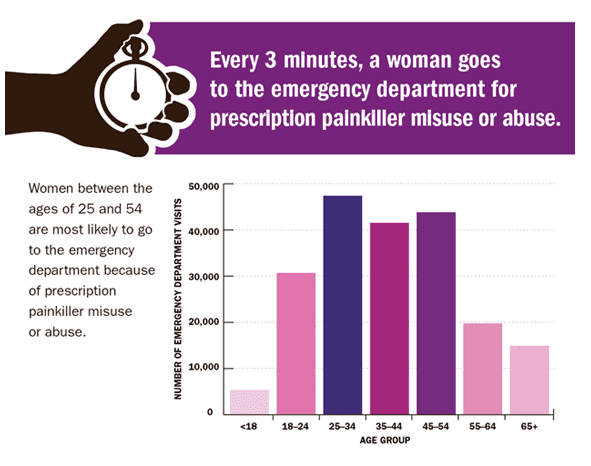
In a harrowing report from the Centers for Disease Control and Prevention (CDC), it was revealed that drug overdoses among women, particularly those aged 30-64, have increased by 260 percent since 1999.As the opioid epidemic continues to plague the United States, studies such as these allow us to understand the depth of what has occurred in the past twenty years. Prescription painkillers, which are often prescribed for injuries and chronic pain, or pain after surgery, are highly addictive—yet they are present in countless medicine cabinets across the country.With opioid prescriptions showing no signs of slowing down—particularly in rural areas—the crisis of addiction has affected every corner of every state. As we learn more about the groups that are affected by the opioid crisis, it is clear that addiction does not discriminate, and that no group is immune to the dangers of substance abuse.
Women Affected by Prescription Drug Addictions
Biological differences can cause men and women to experience addiction and recovery differently, with each sex having their own set of challenges to overcome. According to the National Institute on Drug Abuse(NIDA), women even report using drugs for differing reasons, which might include combatting exhaustion, dealing with chronic pain, or attempting to control mental health issues, such as anxiety or depression.NIDA reports that 19.5 million females, or 15.4 percent, of American women over 18 have used illicit drugs in the past year. This statistic includes the misuse of prescription medications, such as painkillers—now at the center of national conversation.Recent research shows that middle-aged women receive the most opioid prescriptions, with the 40-59 age group receiving twice as many prescriptions as their male counterparts. Post-surgical pain is cited as a common factor in these prescriptions.Historically, research focused solely on men’s experiences with drug abuse, as they were likelier to abuse drugs and alcohol. However, that gender gap is narrowing, especially within the middle-age demographic.According to a research study published by the National Institutes of Health (NIH), men and women’s experiences with substance abuse are likely to be different in the following ways:- Women are more likely to self-medicate
- Men are more likely to succumb to peer pressure
- Escalation of drug abuse is more rapid in women than men
- Side effects of drug abuse can be greater in women