Background
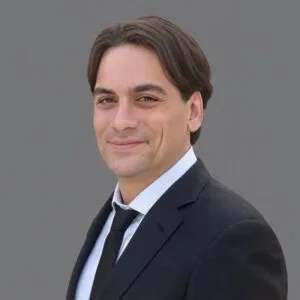
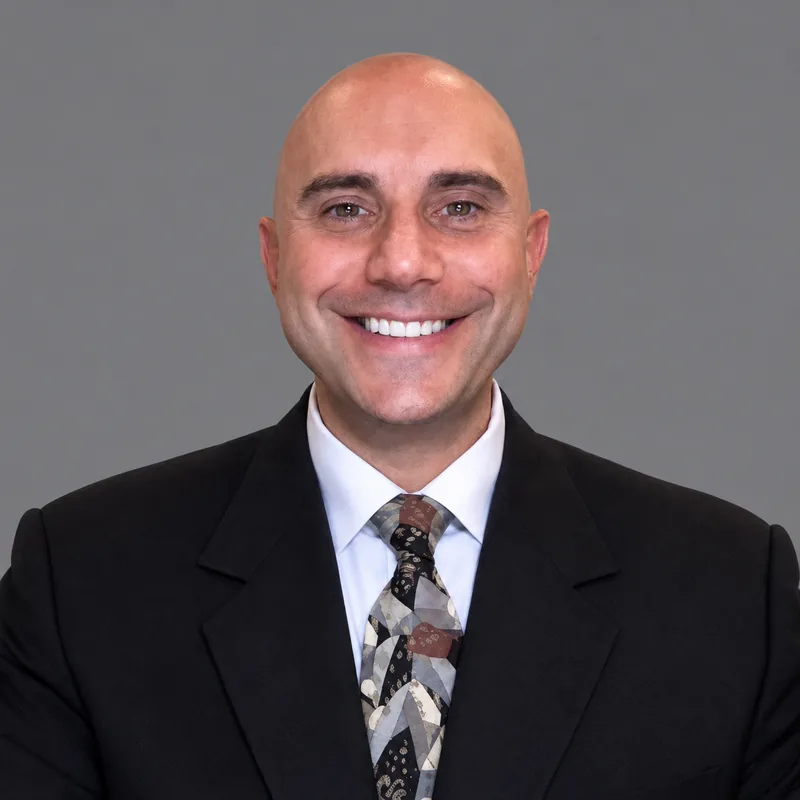
Joshua Schamach, CAC, ICADC, is a behavioral health professional and group facilitator at RECO Intensive, specializing in substance use recovery and co-occurring mental health concerns. He has facilitated process and psychoeducational groups across multiple South Florida programs, including RECO Intensive, House of Discernment, Galt Ocean Rehab, Legacy Healing Center, and Solutions Recovery Treatment Center.
Joshua’s clinical work is informed by his own lived experience in recovery. His approach combines empathy, accountability, mindfulness, and evidence-informed practices such as motivational interviewing, CBT, and DBT.
Approach
Joshua leads groups the way he wishes his own early recovery experience had been structured: clear, honest, skills-focused, and built around real self-inquiry rather than platitudes. He is particularly skilled at running process groups that stay grounded and productive without slipping into either avoidance or emotional flooding.
His clinical style pairs cognitive and dialectical frameworks with mindfulness practice, and he weaves in psychoeducational content that clients can use immediately in their day-to-day. He is currently pursuing a Master of Science in Professional Counseling Psychology at Florida International University on his path toward becoming an LMHC.
Education & Credentials
Certified Addiction Counselor (CAC), Internationally Certified Alcohol and Drug Counselor (ICADC). M.S. in Professional Counseling Psychology (in progress) and B.A. in Psychology, summa cum laude, both at Florida International University. B.S. in Business Administration-Finance, cum laude, from the University of Florida. Additional interdisciplinary background includes medical education, research on exercise and allostatic load in adults in recovery, university-level science instruction, and ER triage volunteer service.
What to Expect
Clients working with Joshua at RECO Intensive find a facilitator who is intellectually curious, compassionate, and honest, and who creates group environments where people feel respected, supported, and challenged to actually do the work of recovery.