Chronic inflammation drives depression, anxiety, cravings, and cognitive symptoms in ways that mood-and-substance treatment alone can't address. RECO Intensive's inflammatory biomarker testing is the lab-driven part of recovery medicine that identifies hidden physical drivers and produces measurable treatment outcomes most addiction programs don't even look for.
What inflammatory testing looks like at RECO Intensive
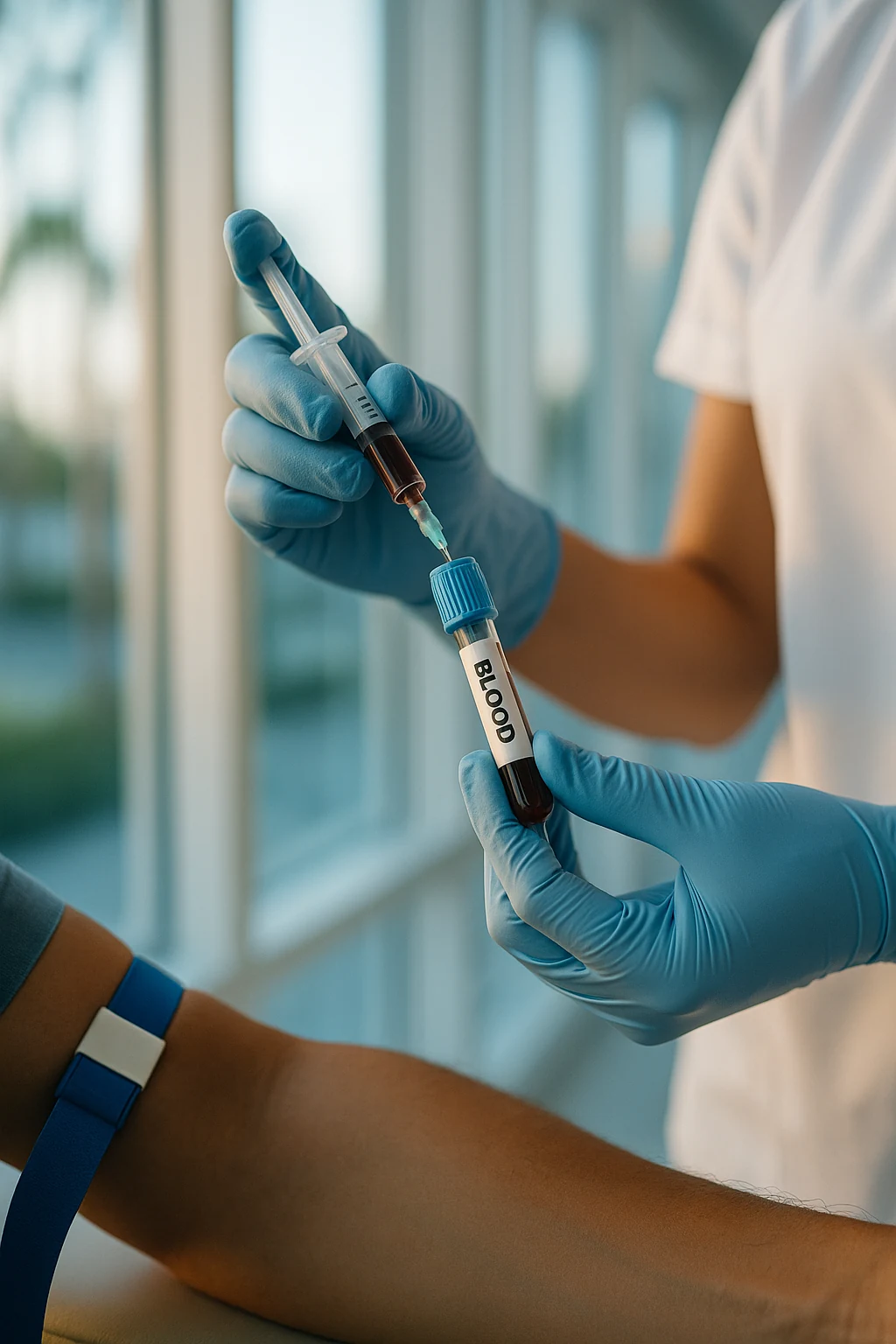
Our medical team draws blood at intake for a comprehensive inflammatory and metabolic panel, beyond what standard addiction-treatment labs cover. Results are reviewed within days; findings drive specific treatment-plan additions — anti-inflammatory nutrition, targeted supplementation, IV antioxidant therapy, medication considerations.
What we measure
- hs-CRP (high-sensitivity C-reactive protein) — general inflammation marker; correlates with depression, anxiety, cardiovascular risk
- Homocysteine — elevated levels correlate with cardiovascular and cognitive concerns; often associated with B-vitamin deficiency
- Vitamin D (25-hydroxy) — widely deficient; affects mood, immune function, inflammation
- Lipid panel with advanced markers — cardiovascular and metabolic picture
- HbA1c and fasting glucose — metabolic and blood-sugar regulation
- Thyroid panel — TSH, T3, T4, thyroid antibodies; thyroid issues often mimic depression and anxiety
- Iron studies (ferritin, iron saturation) — affects energy, mood, cognition
- B-vitamin levels (B12, folate) — neurological function
- Liver and kidney function — particularly important post-substance use
What we do with the findings
Elevated inflammatory markers lead to anti-inflammatory dietary changes (Mediterranean approach), targeted supplements (omega-3, magnesium, NAC, vitamin D), occasional IV antioxidant therapy, and discussion of inflammation-driven mood considerations with the psychiatric provider. Specific findings (low thyroid, low ferritin, low B12) get addressed directly with appropriate intervention.
Many clients report substantial improvement in mood, energy, and cognitive function once specific deficiencies are corrected — improvements that previous addiction or mental-health treatment didn't produce because the labs weren't looked at.
Who this serves best
Clients with treatment-resistant depression or anxiety whose mood symptoms might be driven by underlying inflammation or nutritional deficiency. Clients with chronic fatigue, brain fog, or unexplained physical symptoms. Long-term substance-use clients with significant physical depletion. Clients with prior cardiovascular events. Anyone whose recovery picture would benefit from a thorough medical baseline.
How biomarker findings integrate with the rest of treatment
Findings feed our weekly multi-disciplinary case review — psychiatric, medical, therapy team all consider them. Treatment-plan additions are coordinated. Follow-up testing tracks measurable change during sustained sobriety.
Why RECO's biomarker testing is different
Most addiction programs run basic labs (CBC, basic metabolic panel) and don't look at inflammatory or specialized markers. Ours digs deeper — and the findings consistently reveal physical drivers of the clinical picture that mood-only treatment misses. Lab-informed addiction medicine is the future; RECO is delivering it now.